
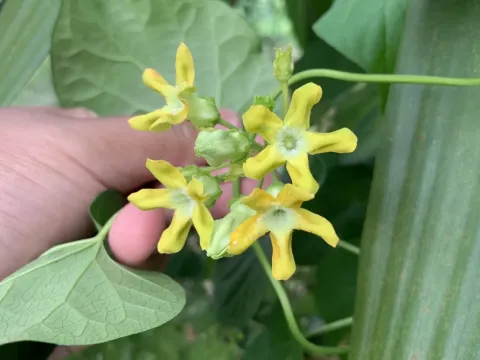
Telosma
Telosma
Telosma, specifically the species Telosma cordata, belongs to the Apocynaceae family. It is a perennial, fast-growing climbing vine native to Southeast Asia.
What the section contains

Telosma
Propagation is typically achieved through seeds or stem cuttings. Seeds are sown in well-draining, nutrient-rich soil once temperatures consistently exceed 20°C.
Sowing in late spring is recommended to ensure the soil is adequately warmed, which is crucial for successful germination of this tropical crop.
Vegetative propagation via cuttings is preferred in commercial settings to maintain the consistency of high-yielding plant characteristics over generations.
Seedlings and young plants require regular monitoring and protection from strong winds and direct scorching sunlight until they establish a sturdy root system.
This crop thrives in warm, humid tropical and subtropical climates. It is highly sensitive to frost, which can kill the plant or severely inhibit growth.
The ideal soil is loamy and fertile with a neutral to slightly acidic pH. Proper drainage is non-negotiable, as waterlogged roots lead to plant decay.
As a vigorous climber, Telosma requires robust trellising systems. Vertical support is essential for air circulation and easy access during the harvest season.
Consistent moisture is key, though the plant must be protected from standing water. Drip irrigation systems are highly effective for maintaining soil moisture.
Regular fertilization with organic compost or balanced NPK fertilizers is necessary to support the continuous production of flowers throughout the season.
The primary economic focus of Telosma is its fragrant, edible flowers, which are highly valued in culinary traditions for their unique sweetness and texture.
Yield is highly dependent on the vine's health and the effectiveness of pruning practices, which encourage the development of new, productive flowering shoots.
While the flowers are the main product, in some regions, the young leaves are also harvested for use in various local dishes and nutritional preparations.
Plants generally reach their peak productivity between the second and fifth years, provided they receive proper maintenance and adequate sunlight exposure.
Optimized greenhouse cultivation can extend the flowering period, allowing for a more consistent supply and potentially higher overall annual yields.
Common pests include aphids and spider mites, which can infest the tender shoots and foliage, particularly in environments with poor air ventilation.
Fungal root diseases are a major concern when soil drainage is insufficient or when the planting density is too high for the specific site conditions.
Integrated pest management, including the use of biological control agents, is recommended to protect the crop without compromising the safety of edible flowers.
Regular inspections are essential to detect early signs of chlorosis or leaf spots, which often indicate nutritional imbalances or underlying moisture issues.
Sanitation practices, such as the prompt removal of dead or diseased vine parts, play a crucial role in preventing the spread of pathogens across the farm.
Harvesting is performed manually in the early morning hours when temperatures are cool, ensuring the flowers retain their peak fragrance and freshness.
Care must be taken during the harvest to avoid bruising the delicate petals, which significantly affects the marketability and quality of the final product.
Post-harvest handling involves immediate cooling and packaging in breathable containers to minimize moisture loss and preserve the shelf life of the flowers.
Frequent harvesting throughout the flowering season stimulates the plant to produce more buds, effectively increasing the total output of the vine.
Processed flowers, such as those that are dried or preserved, can serve as a secondary income stream, allowing farmers to sell beyond the fresh market season.