
Trachelospermum difforme
Trachelospermum difforme
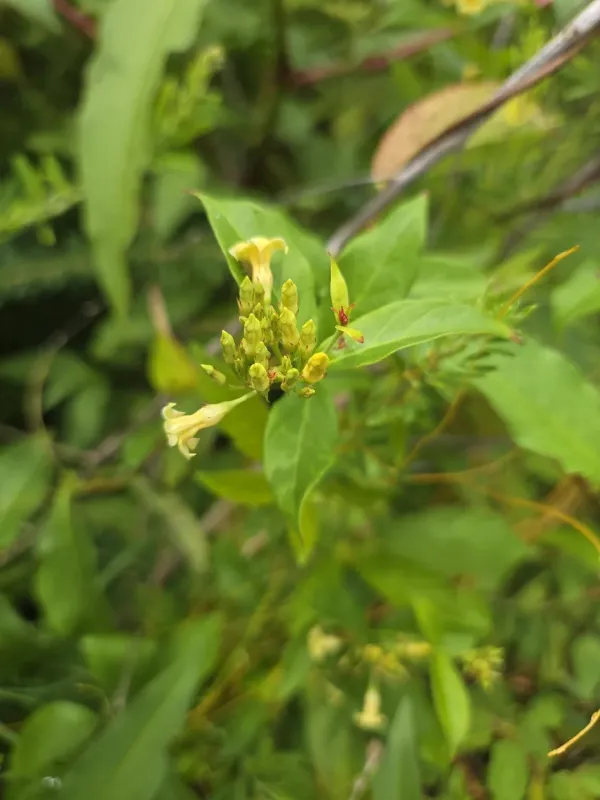
Description
Growing requirements
Trachelospermum difforme is a perennial evergreen woody vine belonging to the Apocynaceae family. This species is highly regarded in horticulture for its dense foliage and vigorous growth habit, making it an excellent candidate for covering trellises, fences, and walls in warm climates.
Originating from the subtropical regions of Asia, specifically China, this plant thrives in environments that provide consistent warmth and humidity. It is best suited for cultivation in zones that mimic its natural habitat, requiring protection from freezing winter temperatures if grown outdoors in non-tropical regions.
The plant demands well-draining, nutrient-rich soil to reach its full potential. Loamy soil textures with a neutral to slightly acidic pH are ideal. Gardeners must ensure that the planting site prevents water accumulation, as the root system is highly susceptible to rot under saturated conditions.
Cultural practices should emphasize consistent watering during the peak growing season, allowing the top layer of soil to dry slightly between irrigations. Supplementing with a balanced liquid fertilizer during the spring and early summer promotes lush leaf production and enhances the plant's overall vigor.
Pruning is essential for maintaining the shape and health of the vine. It should be performed after the main flowering phase or early in the spring to remove dead wood and encourage denser growth. Providing sturdy support structures is necessary to accommodate the heavy biomass of mature specimens.
Main diseases and pests
Common pests include spider mites and scale insects, which can become problematic during dry, hot weather conditions. Regular inspection of the underside of leaves and the application of horticultural oils or systemic insecticides help manage and control these infestations effectively.
Diseases such as root rot and fungal leaf spots are typically associated with poor drainage and high humidity combined with stagnant air. Maintaining good cultural hygiene, improving soil aeration, and applying appropriate fungicides as a preventive measure are key strategies for plant protection.