
Tromotriche baylissii
Tromotriche baylissii
Description
Growing requirements
Tromotriche baylissii is a fascinating succulent species belonging to the Apocynaceae family. Native to the harsh and arid regions of South Africa, this plant has evolved unique survival mechanisms to endure prolonged drought and intense environmental pressures.
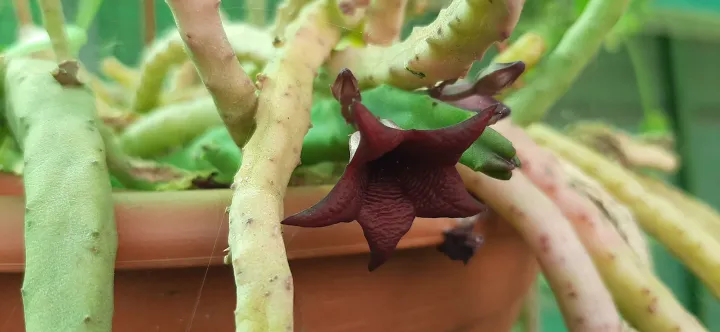
The botanical structure of this species features thick, ribbed stems that act as water storage organs. The epidermis often exhibits attractive patterns and shades of purple or brown under optimal light conditions, reflecting its high adaptability to sunny environments.
Regarding cultivation requirements, the species demands a highly porous and inorganic soil mix. A combination of coarse sand, perlite, and a small portion of potting soil is ideal to ensure the rapid drainage that is crucial for maintaining healthy root development.
Light requirements are significant; the plant thrives in bright, filtered sunlight. Providing sufficient light is essential to prevent etiolation, where stems become weak and spindly. During the cooler winter months, the plant enters a dormant stage and requires very little to no water.
Propagation is typically performed via stem cuttings. After cutting, it is vital to let the wound callus for several days before placing it into the substrate. This practice significantly increases the success rate by preventing tissue rot and promoting faster root initiation.
Main diseases and pests
The primary threat to Tromotriche baylissii is root rot, almost always triggered by overwatering or poor drainage. Excess moisture trapped in the soil leads to rapid fungal colonization of the roots, which quickly spreads to the main stem if left untreated.
Mealybugs are the most common pests, often settling in the crevices between the stem ribs where they are hard to spot. Regular inspections and the use of insecticidal soaps or systemic treatments are effective strategies for maintaining a healthy plant.
Spider mites can become a nuisance in environments with very low humidity and stagnant air. Increasing air circulation around the plants and ensuring adequate spacing can help mitigate these infestations significantly.
Nematode infestations can be devastating to the root system, often leading to a general decline in the plant's health. Early detection through root inspection is key to saving the specimen, followed by potting in fresh, sterile soil.
Finally, avoid excessive fertilization, especially with high-nitrogen products, as this promotes succulent growth that is overly soft and vulnerable to pathogens. Always use fertilizers specifically formulated for desert cacti and succulents.