
Vallesia
Vallesia
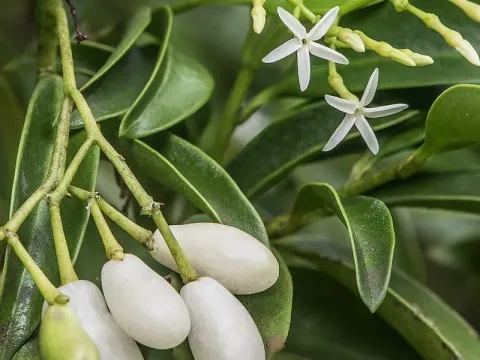
Vallesia is a genus of evergreen shrubs belonging to the Apocynaceae family. In the wild, these plants propagate primarily through seeds, which are dispersed by various birds that consume their fleshy fruits.
What the section contains

Vallesia
In nursery cultivation, seeds are sown in well-draining substrates rich in perlite or sand. The ideal temperature range for germination is consistently between 22 and 25 degrees Celsius to ensure high viability.
Greenwood cuttings are also a reliable method for multiplying specific varieties. Cuttings should be taken during the active growth phase and treated with rooting hormones to promote rapid root development.
Depth control during sowing is critical; seeds should be covered with only a thin layer of soil, approximately 0.5 to 1 cm. Avoiding waterlogging during the germination stage is essential to prevent seedling dampening.
Once seedlings develop true leaves, they should be transplanted into individual pots. Adequate lighting is crucial during this stage to encourage sturdy, upright growth and prevent the plants from becoming leggy.
Native to the tropical and subtropical regions of the Americas, Vallesia thrives in environments that mimic its natural habitat. The plant prefers light, sandy, or loamy soils with a neutral pH balance.
As a heat-loving genus, it is sensitive to cold. In temperate climates, Vallesia must be kept in greenhouses or containers that can be moved indoors during colder seasons to prevent frost damage.
Bright, filtered light is the optimal lighting condition for this shrub. While it needs significant energy for growth, harsh midday sun can scorch the foliage, necessitating partial shade during peak hours.
Watering should be balanced and moderate. Vallesia displays some degree of drought tolerance, and the soil must be allowed to dry slightly between waterings to prevent root rot in the substrate.
Fertilization should be focused on the growing season. A balanced, water-soluble fertilizer with trace elements helps maintain vibrant foliage and supports the plant's overall metabolic processes.
Spider mites and scale insects are the primary pests affecting Vallesia plants. These insects thrive in indoor or protected environments, feeding on leaf sap and causing stunted development.
Fungal infections, particularly root rot, are common symptoms of improper irrigation. Ensuring excellent drainage and avoiding high humidity around the base of the plant are vital preventive measures.
Powdery mildew can occur if air circulation is insufficient. Providing adequate spacing between individual plants and ensuring good ventilation helps mitigate this risk significantly.
Integrated pest management strategies, such as using horticultural oils or introducing beneficial insects, are effective for controlling infestations without harming the plant's delicate tissues.
Regular visual inspections are the most effective way to manage potential threats. Early detection of leaf yellowing or webbing allows for quick intervention and prevents widespread damage to the shrub.