
Vinca erecta
Vinca erecta
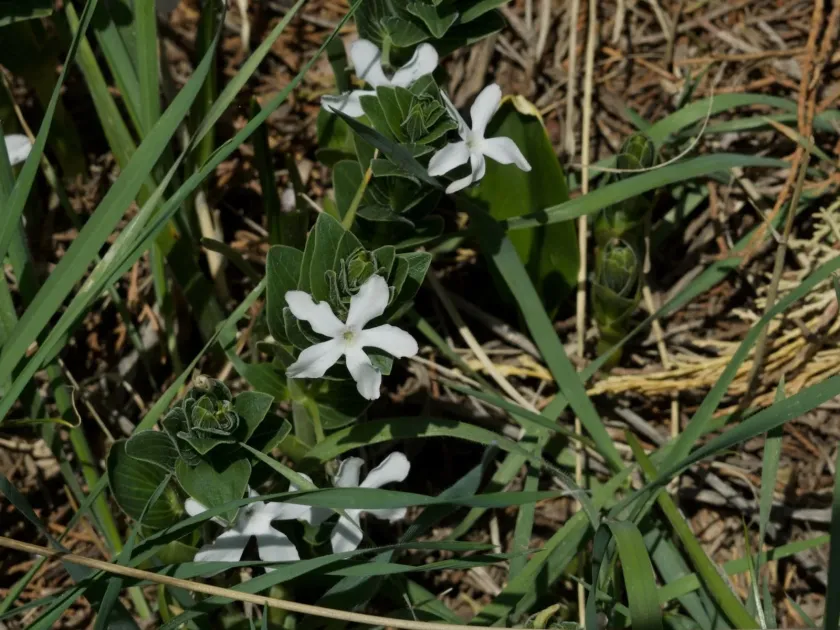
Description
Growing requirements
Vinca erecta is a herbaceous perennial plant belonging to the Apocynaceae family. Unlike common trailing periwinkles, this species is characterized by its upright growth habit, making it distinct for agricultural cultivation.
The plant originates from the mountainous regions of Central Asia. It thrives in stony, well-drained slopes, demonstrating a high level of resilience to the harsh environmental conditions of these high-altitude areas.
Agronomic requirements include light, nutrient-rich, and well-aerated soils. The plant is extremely sensitive to waterlogging, which can cause root rot, therefore choosing a site with a natural slope or artificial drainage is critical.
Vinca erecta requires full sun exposure to reach its maximum productive potential. Adequate light is essential for the biosynthesis of secondary metabolites, which are the main focus for pharmaceutical use.
While the crop is drought-tolerant, supplemental irrigation during the peak growth phase can significantly increase the total biomass yield. Efficient water management is the key to successful commercial cultivation.
Main diseases and pests
Fungal infections, particularly rust and leaf spots, pose the greatest threat to plant health during periods of high humidity. Regular field inspection and canopy management are vital for preventing disease outbreaks.
Root rot, often caused by poor drainage or over-irrigation, is a serious concern. Improving soil structure and ensuring proper site selection are the most effective preventive measures against soil-borne pathogens.
Aphids and spider mites are common insect pests that can impact growth by damaging young leaves. Integrated pest management strategies, including biological controls, should be prioritized over broad-spectrum pesticides.
Weed control is mandatory during the establishment stage. Without proper weeding, young Vinca plants struggle to compete for sunlight and nutrients, resulting in stunted development.
Virus-related mosaic diseases can negatively impact the plant's metabolic pathways. Using certified disease-free propagation material is the only effective way to prevent these systemic infections.
Harvesting
The harvest timing is determined by the plant's phenology. The collection must coincide with the peak flowering period, as this is when the concentration of the bioactive compound vincamine is highest.
Harvesting is performed using mechanical cutters that collect the stems at a specific height from the ground. Maintaining cleanliness is essential to ensure that the raw material meets pharmaceutical standards.
Immediate post-harvest processing is crucial to stop degradation. The biomass is dried in specialized facilities to quickly reduce the moisture content without compromising the chemical profile.
Once dried, the material is shredded and stored in a controlled environment. The final quality is determined by laboratory assays measuring the percentage of key alkaloids in the dry matter.
Standardized packaging protects the raw material from environmental degradation during transport. Correct storage conditions are essential for maintaining the stability and efficacy of the harvest.