
Thevetia nitida
Thevetia nitida
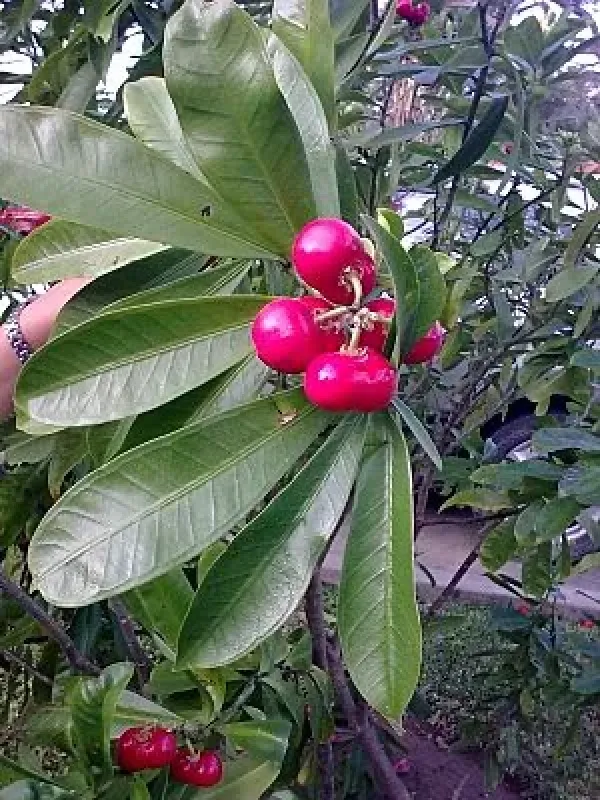
Description
Growing requirements
Thevetia nitida is a prominent member of the Apocynaceae family. It is an evergreen shrub or small tree, highly valued for its dense, glossy, and leathery foliage that provides a refined aesthetic appeal in tropical landscapes.
The species originates from the tropical regions of Central and South America. In its natural habitat, it thrives in coastal areas and foothills where the climate remains warm and humid throughout the year, supporting consistent vegetative development.
Cultivation success depends heavily on the soil quality. The plant requires well-draining, nutrient-rich soil that prevents waterlogging, which is a major factor in root health. Loamy or sandy soil types are generally preferred for optimal root development.
Climate requirements for this culture are strict: it is frost-sensitive and requires temperatures consistently above 10 degrees Celsius. It thrives in full sunlight, which is necessary to encourage healthy flowering and to maintain the characteristic shine of its leaves.
Regular maintenance involves consistent watering and ensuring that the plant receives adequate exposure to natural light. In controlled environments, it is essential to manage the humidity levels to mimic its natural tropical environment while ensuring proper airflow.
Main diseases and pests
Common pests affecting Thevetia nitida include scale insects, mealybugs, and spider mites. These pests typically congregate on the undersides of leaves or along stems, feeding on plant sap and potentially weakening the overall structure of the shrub.
Pathogenic threats include fungal root rots, which often occur due to poor drainage or excessive irrigation practices. If the substrate remains overly saturated, the root system is prone to decay, which is often irreversible if not detected early.
The plant is known for containing cardiac glycosides, rendering it toxic if ingested. While this natural chemical defense protects the plant from many herbivores, it requires handlers to wear protective gloves and practice caution during pruning and maintenance.
Disease prevention relies on maintaining a clean growing area and ensuring the plant has sufficient spacing for air circulation. Reducing stagnant air helps minimize the risk of powdery mildew and other airborne fungal spores settling on the foliage.
When chemical treatment is necessary to manage infestation, choose targeted systemic insecticides and apply them according to manufacturer guidelines. Avoid over-applying chemicals, as the plant's delicate leaves can be sensitive to heavy spray concentrations.