
Thevetia
Thevetia
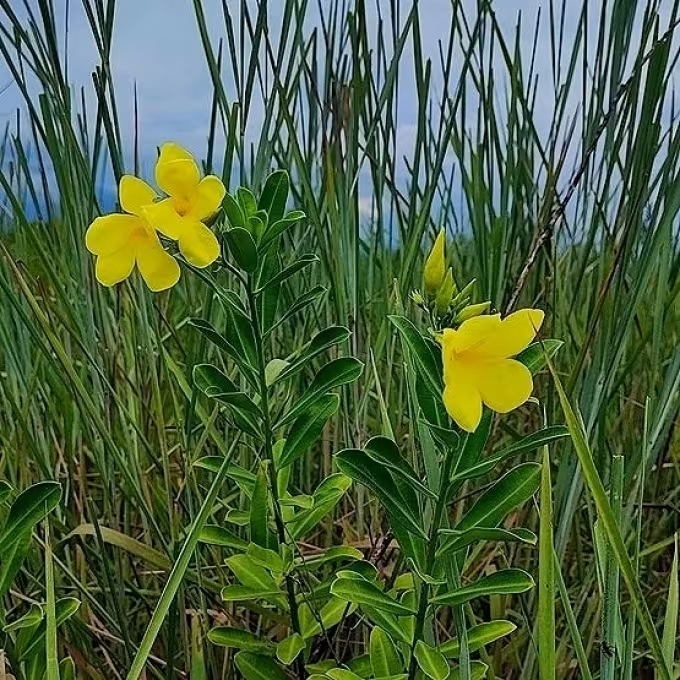
Description
Growing requirements
Thevetia is a genus of evergreen shrubs and small trees belonging to the Apocynaceae family. Native to tropical regions of the Americas, it thrives in warm, humid environments and is widely used for landscaping in frost-free climates.
The plant requires full sun exposure to maintain its vigorous growth rate and to produce its characteristic funnel-shaped flowers. Insufficient light levels often result in leggy stems and poor flower bud development.
Soil requirements for Thevetia include well-draining, nutrient-rich soil. It is highly sensitive to waterlogged conditions, which can lead to root rot; therefore, providing an excellent drainage system is essential for its survival.
Regarding climate, the plant demands consistent heat and protection from cold winds or frost. It is strictly a tropical to subtropical plant that cannot tolerate temperatures below freezing point for extended periods.
From an agricultural and decorative perspective, Thevetia is valued for its hardiness in warm climates and adaptability to various soil types. However, all parts of the plant are highly toxic due to the presence of cardiac glycosides, requiring safety measures during handling.
Main diseases and pests
Common pests include scale insects, mealybugs, and spider mites. These organisms can colonize the plant, particularly in sheltered environments, leading to leaf drop and stunted growth if not managed promptly.
Fungal issues, particularly leaf spot and root decay, are frequent problems when the plant is kept in high-humidity areas with poor ventilation. Regular pruning to improve air circulation is a recommended cultural practice.