
Trachelospermum axillare
Trachelospermum axillare
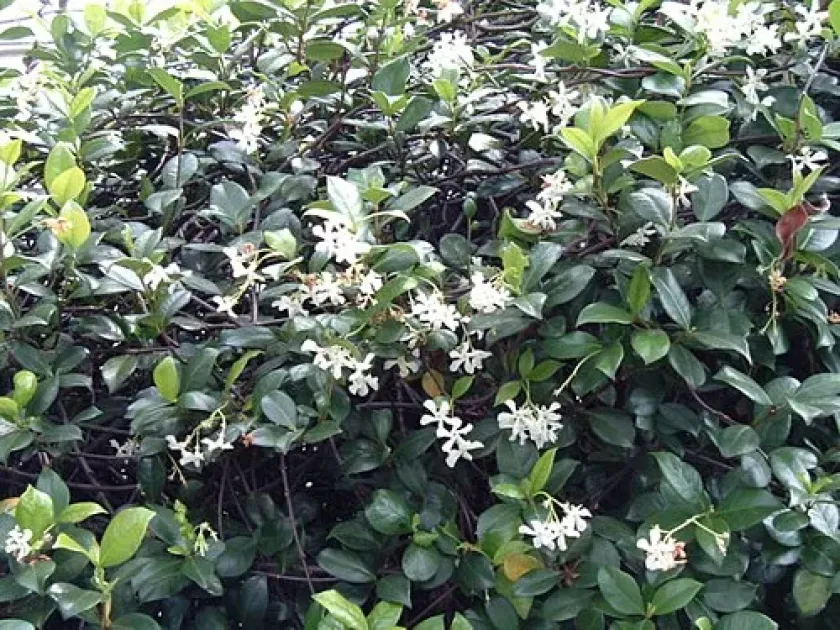
Description
Growing requirements
Trachelospermum axillare is a perennial evergreen woody vine belonging to the Apocynaceae family. It is native to the temperate and subtropical forests of East Asia, primarily found in regions where moisture and canopy protection are consistent throughout the growing season.
The crop thrives in fertile, well-drained loamy soils. It prefers a slightly acidic to neutral substrate, which allows for optimal root development and nutrient uptake, avoiding the stagnation of water that can occur in heavy clay soils.
In terms of climate requirements, the plant prefers areas with moderate temperatures and protection from harsh, drying winds. While it is somewhat adaptable, it performs best when placed in locations providing filtered sunlight or partial shade during the hottest parts of the day.
Agricultural management requires the provision of strong, stable structures for the vine to climb. Regular pruning is necessary to maintain the desired shape and to encourage the density of the foliage, as the plant can become leggy if left entirely unmanaged.
The primary horticultural use of Trachelospermum axillare is as an ornamental climber for vertical gardening. It is highly valued for its ability to cover walls, trellises, and pergolas in botanical collections and private landscapes in suitable hardiness zones.
Main diseases and pests
The plant is frequently targeted by spider mites and scale insects, which are known to infest the undersides of leaves and stems during periods of low environmental humidity.
Common fungal diseases include various forms of leaf spot and root rot, often triggered by poor site drainage or excessively high moisture levels combined with poor air circulation around the canopy.