
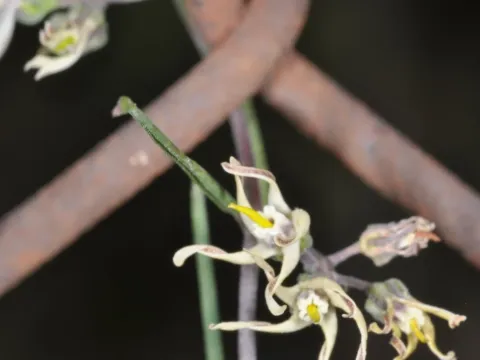
Tweedia
Tweedia
Tweedia (Tweedia caerulea), also known as oxypetalum, belongs to the Apocynaceae family. In temperate regions, this perennial plant is typically cultivated as an annual crop due to its sensitivity to cold temperatures.
What the section contains

Tweedia
Sowing should be performed in late February or early March indoors. Use a lightweight, sterile potting mix and cover the seeds lightly with a thin layer of vermiculite to maintain moisture.
Germination requires a stable temperature of 20–22 degrees Celsius. Seedlings usually emerge within 14–20 days, provided there is adequate light to prevent leggy growth.
Prick out the seedlings into individual containers once the first pair of true leaves appears. This minimizes root disturbance when moving the plant to its final location.
Transplanting to the open field or garden should be done only after the risk of frost has completely passed, typically when the soil has warmed up in late spring.
Tweedia thrives in sunny, sheltered locations. It is vital to choose a spot that provides protection from strong winds, as the slender stems can be prone to breakage.
The soil must be fertile, well-draining, and slightly acidic to neutral. High moisture retention is beneficial, but the plant will not survive in waterlogged or heavy clay soils.
While the plant shows moderate drought tolerance once established, regular irrigation is essential for consistent flower production throughout the growing season.
Apply a balanced liquid fertilizer every two weeks during the vegetative growth period to promote healthy foliage and robust flower stalks.
Gentle cultivation of the soil around the base of the plant helps improve aeration and moisture distribution, which is key to maintaining vigorous root development.
Spider mites are the most common pests affecting Tweedia, especially in hot and dry environments. They cause stippling on the leaves and can lead to rapid plant decline.
Aphids frequently target the tender shoots and flower buds, potentially causing deformation of the blooms and hindering overall plant aesthetic value.
Root rot is the primary disease threat, almost always resulting from overwatering or poor drainage. Proper moisture management is the most effective preventative measure.
Control pests using appropriate insecticides, ensuring applications are completed well before the harvest phase to avoid chemical residues on the cut flowers.
Maintenance of good air circulation and regular inspection for early signs of infestation are critical steps in managing the health of the crop in a commercial setting.
Harvesting Tweedia for the floral market should occur when the flowers are partially open and have achieved their distinctive sky-blue coloration.
Cut the stems early in the morning when the plant tissues are fully turgid, which helps maximize the vase life of the product after harvest.
The plant produces a milky latex sap when cut. It is recommended to sear the ends of the stems or place them in warm water immediately after cutting to seal the sap flow.
Tweedia is highly valued in professional floristry for its unique color palette and star-shaped flowers, making it a perfect component for designer arrangements.
With proper post-harvest care, including clean water and regular trimming of the stems, Tweedia flowers can maintain their freshness in a vase for up to 10 days.