
Telosma
Telosma Coville
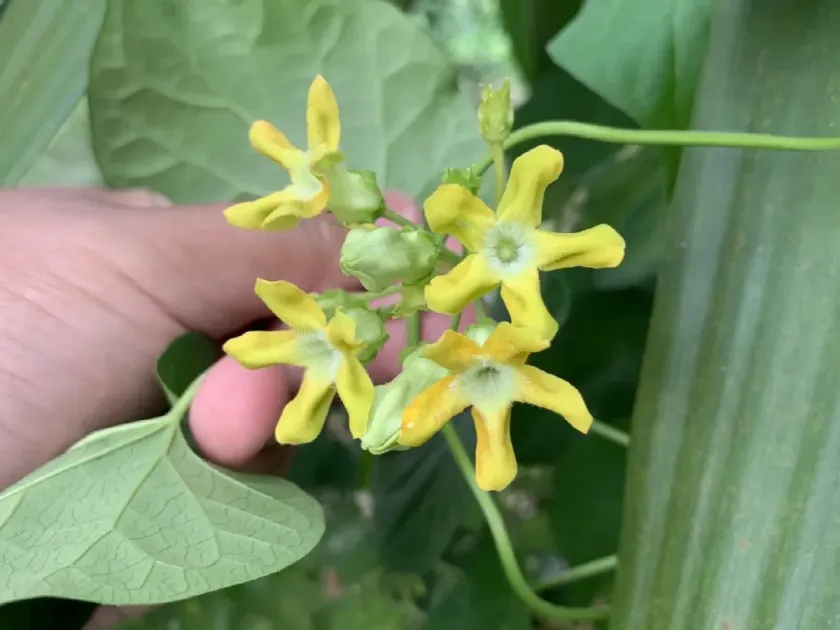
Description
Sowing dates
Sowing Telosma seeds is best performed in early spring once soil temperatures consistently exceed 20°C. For cooler climates, starting seeds indoors or in a controlled greenhouse environment is essential to ensure a successful growing season.
Seeds require high humidity and consistent warmth to germinate effectively. Using a sterile, well-draining seed-starting mix in trays covered with a clear lid or plastic film helps maintain the necessary microclimate for the seedlings.
Transplanting should only occur once the risk of frost has passed completely. Telosma seedlings are sensitive to transplant shock, so it is recommended to harden them off gradually over a period of seven to ten days before final outdoor placement.
Vegetative propagation via cuttings is a popular method for preserving the desirable characteristics of specific high-yielding cultivars. Cuttings should be taken from healthy, semi-hardwood shoots during the active growth phase.
Adequate spacing is crucial for this vigorous vine. Providing at least 1.5 to 2 meters between individual plants allows for sufficient airflow, which minimizes the risk of fungal diseases and ensures optimal exposure to sunlight.
Growing requirements
Telosma is a perennial vine belonging to the Apocynaceae family, native to tropical regions of Asia. It thrives in sunny locations, requiring significant direct sunlight to stimulate the development of floral buds and produce aromatic blooms.
The plant demands fertile, loamy soil with excellent drainage. Waterlogged soil conditions are detrimental to the root system, often leading to rapid decline or total loss of the crop if drainage is not properly managed.
Vertical support systems are a mandatory requirement for successful cultivation. Since Telosma is a natural climber, it must be provided with sturdy trellises, netting, or robust frameworks to support its rapid vertical growth.
Temperature management is vital; the plant flourishes between +22°C and +30°C. It is extremely sensitive to cold, and any temperature drop below +10°C will significantly hinder its growth and might even prove fatal to the plant.
Consistent and moderate irrigation is required throughout the growing season. While the plant loves humidity, the root zone must remain aerated, meaning the frequency of watering should be adjusted based on evaporation rates and soil moisture levels.
Yield
The primary economic value of Telosma lies in its edible flowers, which are prized for their fragrance and unique flavor. Yields are highly dependent on the plant’s maturity and the quality of the vertical support system provided.
Mature vines are capable of multiple flowering flushes throughout the warmer months. Strategic pruning and the application of balanced, phosphorus-rich fertilizers can significantly increase the total count of flower clusters per vine.
In commercial settings, research focuses on enhancing the floral density of the vines. Well-cared-for mature plants can yield several kilograms of high-quality flowers annually, especially in protected greenhouse environments.
Productivity typically peaks in the second and third years of growth, as the vine fills the provided trellising space. Continuous removal of old stems and maintenance of optimal light exposure within the foliage are key to long-term high yields.
Quality control is essential during the harvesting phase, as the market value is determined by the freshness, appearance, and aromatic intensity of the floral buds at the time of sale.
Main diseases and pests
Common pests affecting Telosma include aphids and spider mites, which thrive in dry conditions or poorly ventilated greenhouse settings. These pests can cause significant damage to tender leaves and budding flower clusters.
Mealybugs can also infest the plant, hiding in leaf axils and stems. Monitoring for these pests should be a daily routine, and immediate intervention with organic insecticidal soaps is recommended to prevent widespread outbreaks.
Fungal issues, such as powdery mildew, often arise due to excessive humidity combined with stagnant air. Maintaining good airflow by proper pruning and appropriate spacing is the most effective preventative measure against these diseases.
Root rot is often the result of poor soil drainage or excessive watering. Ensuring that the soil is not overly compacted and that the pots or ground beds have adequate drainage holes is critical to preventing this disease.
- Regular inspection of leaf undersides for early detection of spider mites.
- Pruning of dead or yellowing foliage to maintain plant vigor.
- Keeping the base of the plant free from debris and excess moisture.
Harvesting
Harvesting Telosma flowers is a delicate manual process. Because the flowers are highly perishable and bruise easily, hand-picking using small, sharp shears is the preferred method for commercial harvesting.
The optimal time for harvest is early morning, when the flowers are cool and their essential oil content is at its highest. Harvesting at this time ensures the best fragrance and longest shelf life for the consumer.
Once harvested, flowers must be kept in a cool, shaded environment. They should be handled with care and packed in breathable containers to avoid internal heating, which can lead to rapid wilting and fermentation.
Grading is necessary to meet quality standards. Buyers look for uniform, semi-open buds that are free from brown spots, insect damage, or dust. Only the highest quality buds are suitable for culinary or fresh-market use.
Post-harvest life is limited, typically lasting less than 24 hours under standard conditions. Quick cold-chain logistics are recommended for larger commercial operations to maintain the integrity of the aromatic compounds.