
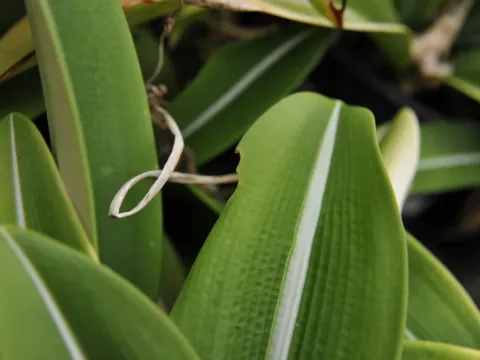
Hippeastrum
Hippeastrum Herb.
Hippeastrum (Hippeastrum Herb.), belonging to the Amaryllidaceae family, is a popular bulbous perennial plant native to tropical and subtropical regions of South America. It is widely prized for its large, trumpet-shaped flowers in various colors.
What the section contains


Hippeastrum
Propagation of this culture is primarily performed vegetatively by separating offset bulbs from the parent plant. This method ensures the genetic stability of the cultivar and allows for faster maturation compared to growing from seeds.
The optimal planting time for bulbs is late winter or early spring, just before the growing season commences. It is essential to ensure that at least one-third of the bulb remains exposed above the soil surface to prevent basal rot.
A well-draining soil mix is mandatory for healthy development. A combination of loam, peat, leaf mold, and coarse sand in a 2:1:1:1 ratio provides the necessary nutrients and air circulation for the roots.
Choosing the right pot size is critical; the container should be only 3-5 cm wider than the bulb itself. Over-potting leads to excessive soil moisture retention and encourages vegetative offset production over flower development.
Hippeastrum plants thrive in bright, indirect light. While they require plenty of sunlight to store energy, intense midday sun can cause leaf scorch, particularly if the plant is kept behind glass without adequate ventilation.
Temperatures during the growth phase should ideally range between +20°C and +25°C. Stability is key, as drastic fluctuations can cause the flower bud to blast or the foliage to yellow prematurely.
Irrigation management is a cornerstone of Hippeastrum care. Water should be applied to the soil or saucer, never directly onto the bulb neck, as moisture trapped in the scales is a common cause of fungal infection.
Fertilization with a balanced NPK fertilizer (high in phosphorus and potassium) should be applied every two weeks during the active growing season to support large flower production and bulb energy storage.
The dormant phase is necessary to trigger a new cycle of blooms. After the leaves wither in autumn, the plant should be moved to a dry, dark, and cool environment (+10°C to +12°C) for at least three months to rest.
Red blotch disease (Stagonospora curtisii) is the most prevalent threat to the genus. It is identified by red spots or streaks on the leaves, stem, and bulb scales, which can eventually cause tissue decay and structural failure.
Fusarium rot targets the basal plate and root system, often resulting from poor soil drainage or over-watering. Infected plants exhibit wilting and stunted growth, and the bulb often disintegrates if the infection is advanced.
Pests such as spider mites and scale insects are common. These organisms sap the vitality of the plant, leaving the leaves discolored and susceptible to further viral or fungal attacks if left untreated.
Narcissus bulb fly larvae can be devastating, as they burrow deep into the bulb. Infestation often leads to complete collapse of the plant, leaving little room for remedial action once the damage is systemic.
Effective management includes preventative bulb treatment with systemic fungicides and keeping the foliage clean and pest-free. Disinfecting tools between plants is a crucial sanitary practice to prevent cross-contamination.