
Hairy garlic
Allium subhirsutum
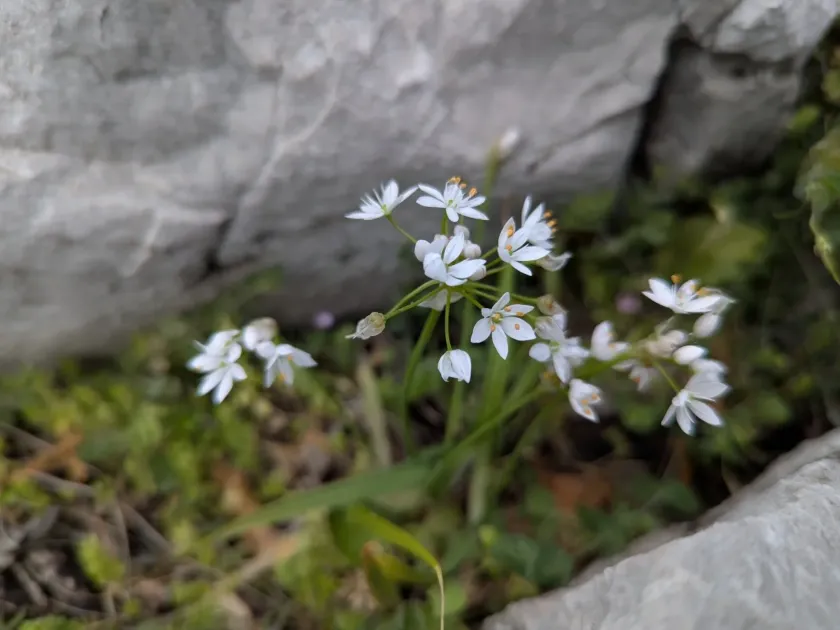
Description
Sowing dates
Sowing seeds of Allium subhirsutum is best performed in late autumn or early spring after the seeds have undergone a period of stratification. Place seeds in well-draining soil at a depth of 1-2 centimeters.
For spring sowing, ensure the substrate remains consistently moist until germination occurs. Seedlings typically appear within three to four weeks under moderate temperatures.
In ornamental horticulture, vegetative propagation through bulb division is preferred. Daughter bulbs should be planted in autumn during the plant's dormancy phase.
Space the bulbs 15-20 centimeters apart to ensure proper airflow and nutrition. Proper spacing is crucial to prevent competition for resources and to minimize the spread of moisture-related pathogens.
Choose sunny or semi-shaded locations with a light, porous soil structure. Avoid compacted earth, as Allium subhirsutum requires excellent drainage to thrive.
Growing requirements
Hairy garlic belongs to the Amaryllidaceae family and originates from the Mediterranean region. It is well-adapted to environments characterized by warm, dry summers and mild winters.
The plant thrives in stony, sandy, or well-drained loam soils with a neutral to slightly alkaline pH. Its Mediterranean heritage makes it naturally drought-tolerant once established.
During the active growing season, provide moderate watering, but ensure the soil dries out during the plant's summer dormancy. Excessive summer moisture is often fatal to the bulbs.
Botanically, this species is defined by its linear, often hairy leaves, which give the plant its common name. The flower stalks produce clusters of delicate white star-shaped flowers.
Ample sunlight is vital for healthy growth. Plants grown in excessive shade will produce elongated leaves, lose their vigor, and fail to store sufficient energy for subsequent blooms.
Yield
The primary use of Allium subhirsutum is ornamental, meaning yield is measured by the successful production of offsets and the quality of the floral display.
Under optimal conditions, a single healthy bulb can produce several offsets per season. Consistent care, particularly regarding drainage and light, significantly boosts multiplication rates.
While the green parts of the plant are edible, the species is rarely cultivated as a commercial food crop, remaining a niche choice for herb gardens or rockeries.
Maximum productivity and full display density are usually reached three to four years after the initial planting. Beyond this, bulbs may need thinning to maintain health.
Seed yield depends heavily on local pollinator activity during the flowering season. If seed collection is desired, allow the flower heads to dry naturally on the stalks.
Main diseases and pests
The most significant threats to Hairy garlic are fungal infections, such as bulb rot, which are triggered by poor drainage and excessive soil moisture.
Fusarium wilt can rapidly infect bulb stocks, manifesting as yellowing and wilting foliage. Prevention involves strict adherence to crop rotation and soil sanitation.
Common pests include onion flies and thrips, which damage both the foliage and the roots, creating entry points for secondary bacterial and fungal infections.
Maintaining a weed-free environment is essential, as weeds often act as vectors for viruses and can increase humidity levels around the foliage.
In humid climates, keep an eye out for downy mildew. Applying copper-based fungicides can help manage fungal outbreaks if conditions become overly damp.
Harvesting
Harvesting bulbs for replanting or storage should be done only after the foliage has naturally turned yellow and withered, indicating the dormant stage.
Carefully lift the bulbs from the soil, clean off any excess dirt, and allow them to cure in a shaded, well-ventilated area for several days to prevent rot.
Once cured, store the bulbs in a dry, cool place at roughly 15-18 degrees Celsius until the next planting season begins.
If harvesting for culinary greens, gather leaves selectively during the early vegetative phase, ensuring the central growth point remains undisturbed.
Always sort the harvest, removing any bulbs with physical damage, cuts, or signs of rot to prevent contaminating the entire stored batch.