
Hymenocallis liriosme
Hymenocallis liriosme
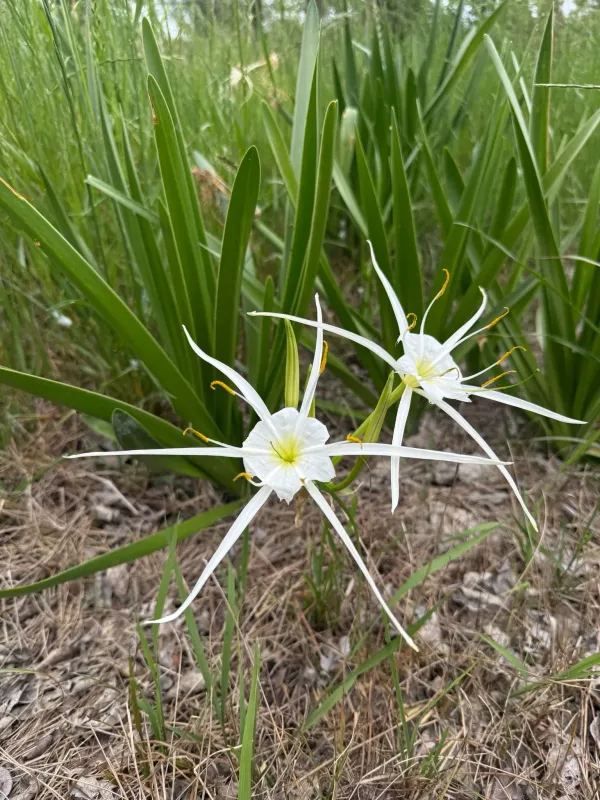
Description
Sowing dates
Hymenocallis liriosme is primarily propagated through the division of offset bulbs, which form naturally around the parent plant. This process is best performed during the dormant phase to minimize stress and ensure optimal energy storage in the bulbs.
When planting, it is crucial to position the bulbs in well-draining soil at a depth that covers the bulb while leaving the neck exposed. Planting depth is a significant factor in preventing basal rot, a common issue in moisture-loving bulbous plants.
For those cultivating from seeds, the process begins immediately after pod maturity. Seeds are sown in a light, moist medium and kept at a stable temperature of approximately 22°C to facilitate successful germination within several weeks.
Spring is the ideal timeframe for transferring bulbs to outdoor beds, ensuring the soil has warmed sufficiently. This timing allows the plant to establish its root system before the intense summer heat begins to affect transpiration rates.
During the initial growth stages, it is beneficial to provide supplemental nutrients to encourage rapid development. A balanced, water-soluble fertilizer applied at half-strength is sufficient to support healthy foliage production.
Growing requirements
Hymenocallis liriosme belongs to the Amaryllidaceae family and thrives in conditions that mimic its native wetland habitats in the southeastern United States. It requires consistent moisture levels to sustain its characteristic, elongated foliage.
The ideal soil profile for this species is rich, loamy, and slightly acidic to neutral. Adding compost or peat moss can help maintain the structure and fertility of the substrate, which is vital for long-term bulb vigor.
Light requirements are centered on bright, indirect sun. While the plant can tolerate some morning direct sunlight, afternoon exposure in hotter regions should be filtered to prevent leaf scorching and desiccation of the plant tissue.
Temperature control is essential, particularly for container-grown specimens. While it is hardy in certain zones, the plant requires a rest period in cooler temperatures to effectively cycle between growth and the production of its characteristic blooms.
Humidity management is an integral part of its requirements. High relative humidity helps the plant maintain its lush appearance, making it a suitable choice for greenhouses or sheltered garden nooks where air movement can still occur.
Main diseases and pests
Fungal pathogens, particularly those causing root and bulb rot, are the most significant threats to Hymenocallis liriosme. These conditions are almost exclusively linked to overwatering or inadequate soil drainage, requiring immediate adjustment of the irrigation schedule.
Pests such as spider mites and scale insects represent the most common biological threats, especially in indoor environments where air circulation may be limited. Regular inspection of leaf axils is necessary to manage these populations before they spread.
Stagonospora curtisii, commonly known as red blotch, is a persistent threat that manifests as reddish streaks on the foliage and bulb scales. It is treated by isolating the plant and applying copper-based fungicides as a preventative measure.
Mealybugs can often infiltrate the tight clusters of the foliage, necessitating a targeted approach with insecticidal soaps or systemic oils. Consistency is key when treating these pests to ensure all life stages are eradicated.
Environmental stress, such as sudden temperature drops or severe dehydration, can predispose the plant to secondary infections. Maintaining a stable environment is the most effective way to ensure the plant's natural immunity remains robust.