
Hippeastrum yungacense
Hippeastrum yungacense (Cárdenas & I. S. Nelson) Meerow
Description
Growing requirements
Hippeastrum yungacense is a remarkable bulbous perennial belonging to the Amaryllidaceae family. Originating from the Yungas region of Bolivia, this species thrives in humid forest environments, which dictates its specific ecological requirements in cultivation.
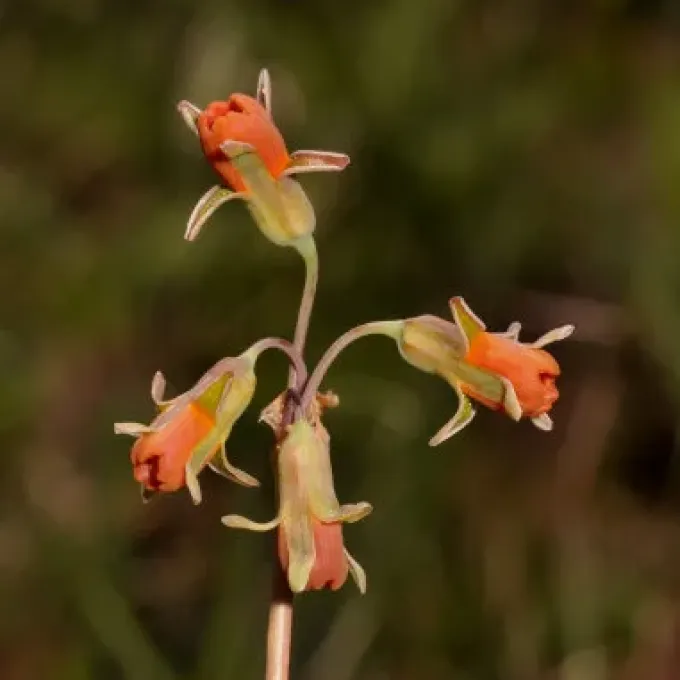
The plant features a substantial bulb that acts as the primary storage organ, supporting its growth cycle. The leaves are typically linear or strap-shaped, forming an elegant rosette, while the floral architecture showcases the complex, funnel-shaped symmetry typical of the genus.
To cultivate this species successfully, growers must prioritize a well-draining potting medium. A mixture of organic matter and inorganic components, such as perlite or grit, is essential to prevent root asphyxiation, which the species is highly sensitive to.
Regarding climate, Hippeastrum yungacense prefers stable temperatures and bright, indirect sunlight. It is crucial to replicate the seasonal shifts of its native habitat, providing a distinct resting period with reduced watering to encourage future blooms.
In terms of economic and horticultural use, this species is highly regarded by botanical collectors. Its distinct genetic profile makes it an important subject for ornamental breeding programs aimed at introducing new traits into commercial Hippeastrum lines.
Main diseases and pests
The most significant pathological threat to this culture is red blotch disease (Stagonospora curtisii), which affects the bulb and foliage. This fungal condition is exacerbated by excessive moisture and poor air circulation around the bulb neck.
Insect pests, including mealybugs and bulb mites, pose a persistent threat by feeding on the sap and damaging the vital tissues of the bulb. Infestations can spread rapidly if initial symptoms are ignored or environmental conditions are suboptimal.
Integrated pest management should include regular inspection of the bulb base and leaf axils. Early detection is vital for effective control, allowing for the application of targeted insecticides before the population reaches an uncontrollable level.
Fungal prevention relies heavily on good sanitation practices. Growers should ensure that all tools are sterilized and that bulbs are kept in a well-ventilated environment to prevent the accumulation of humidity that favors spore germination.
Long-term health management involves periodic repotting using fresh, sterile medium. This practice not only provides fresh nutrients but also allows for a thorough assessment of the root system and the early detection of any dormant pest populations or fungal foci.