
Hymenocallis
Hymenocallis
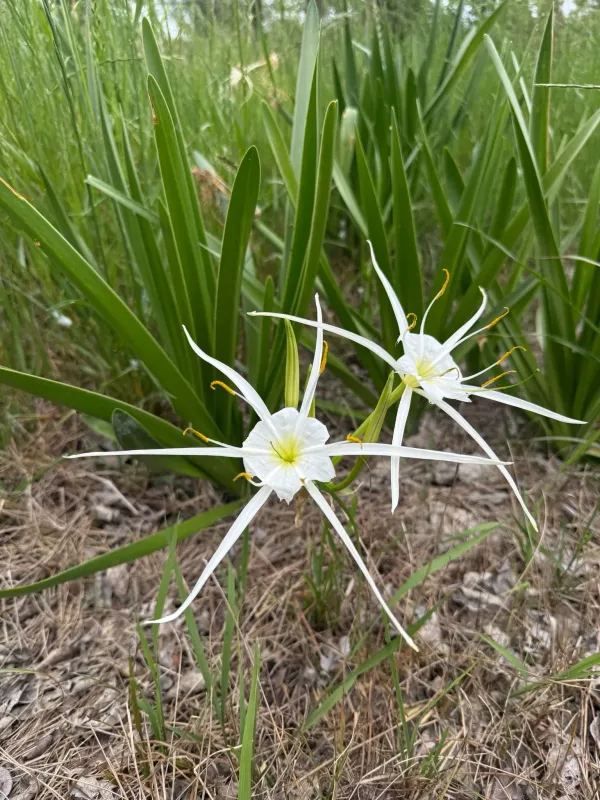
Description
Sowing dates
Planting Hymenocallis in open ground or containers should be performed exclusively during the spring season, once the threat of late frosts has passed and the soil has reached 15-18 degrees Celsius.
The optimal time for planting bulbs is April or May, depending on the climatic zone, as this plant is extremely sensitive to low temperatures and requires stable warmth to initiate active growth.
The depth of planting should be approximately 10-15 centimeters, with the bulb neck potentially protruding above the substrate level or being lightly covered, depending on regional humidity.
When cultivating in containers, bulbs should be planted in pots with a diameter of at least 20 centimeters, ensuring a quality drainage layer at the bottom to prevent moisture stagnation.
The spacing between plants in flower beds should be at least 30-40 centimeters to ensure adequate air circulation and prevent competition for vital soil nutrients.
Growing requirements
Hymenocallis belongs to the Amaryllidaceae family and originates from tropical and subtropical regions of the Americas, which dictates its high requirements for warmth and sunlight.
The plant prefers well-lit areas with protection from direct noon sun rays, which can cause scorching on large strap-shaped leaves, although it can tolerate light partial shade.
Soils for successful cultivation must be loose, rich in organic matter, and possess a neutral or slightly acidic pH, ensuring optimal nutrient availability during the active growing season.
The crop requires regular, moderate watering, especially during the flower spike formation phase, however, water stagnation in the root zone is detrimental and may trigger rot.
During the dormancy period, which follows the flowering cycle, watering is gradually reduced, providing the plant with cool storage conditions to promote flower bud development for the next season.
Main diseases and pests
The primary threat to Hymenocallis is fungal diseases that develop under conditions of excessive soil moisture or low air temperatures combined with high humidity.
Common pathologies include grey mold and Stagonospora leaf scorch, which affect both leaf blades and the bulb base, requiring immediate removal of infected plant fragments.
Regarding pests, spider mites are frequently found on plantings, proliferating in dry air, as well as scale insects that feed on the plant sap and weaken its overall immune system.
To combat insect pests, systemic insecticides and acaricides are applied, strictly adhering to dosages recommended by manufacturers for bulbous crops during the growth period.
As a preventive measure, it is necessary to perform disinfection of planting material with fungicides before storage or planting, while maintaining the cleanliness of all garden tools.
Harvesting
Harvesting Hymenocallis bulbs is performed in the autumn after the natural decay of the aerial parts or before the first frost, when the temperature drops to critical levels.
Bulbs are carefully extracted from the soil using a garden fork, taking care not to damage the root system, after which they are cleaned of substrate residues for storage preparation.
After excavation, the planting material is dried in a ventilated, shaded area for several days to prevent mold growth on damaged areas of the basal plate or outer bulb scales.
Storage is carried out in dry boxes with added sand or sawdust at a temperature of 12-15 degrees Celsius, which is optimal for maintaining bulb viability until the next spring.
Regular monitoring of bulbs during storage allows for the timely identification of rot centers and the removal of damaged specimens, preventing the spread of infection to the healthy stock.