
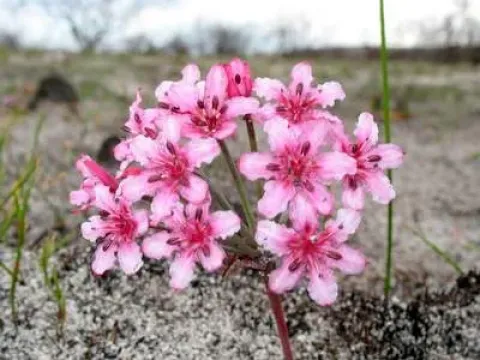
Hessea
Hessea
Hessea is a genus of bulbous perennial plants within the Amaryllidaceae family. Originating from South Africa, these plants are highly specialized, having evolved to survive in arid, rocky environments with distinct seasonal precipitation cycles.
What the section contains


Hessea
Cultivation of Hessea requires a substrate that mimics its native habitat, specifically a very porous, well-draining mixture. A combination of gritty sand, pumice, and a small amount of organic loam is ideal for promoting bulb health.
The climate requirements involve a cycle of cool, wet winters and hot, dry summers. In garden settings or containers, mimicking this seasonality is essential; the bulbs must remain completely dry during their summer dormant phase.
Light intensity is another critical factor for Hessea. These plants require full, direct sunlight to trigger flowering and to prevent the etiolation of foliage, which can weaken the bulb's energy reserves for the following season.
Water management must be precise. During the growing season, moderate watering is necessary, but it must be tapered off significantly as the foliage begins to senescence, ensuring the soil remains dry during the period of dormancy.
The most significant threat to Hessea is bulb rot, caused by fungal pathogens such as Fusarium or Rhizoctonia. This is almost exclusively linked to poor drainage or overwatering during the dormant period.
Pests such as mealybugs and spider mites are common in indoor or greenhouse cultivation, particularly in low-humidity conditions. These pests damage the foliage and can act as vectors for secondary bacterial infections.
Root-feeding larvae of various dipteran species can also attack the bulbs from beneath the soil. Using sterile potting media and maintaining good air circulation around the plants can help reduce the incidence of these infestations.
Viral infections can cause structural deformities and streaking of the leaves. There is no cure for such viral outbreaks, which necessitates the immediate removal of infected bulbs to prevent spreading to the rest of the stock.
Proper hygiene, such as disinfecting tools and inspecting incoming plants for pests, is the most effective approach to managing these threats and maintaining the long-term vitality of the Hessea collection.