
Haemanthus humilis
Haemanthus humilis
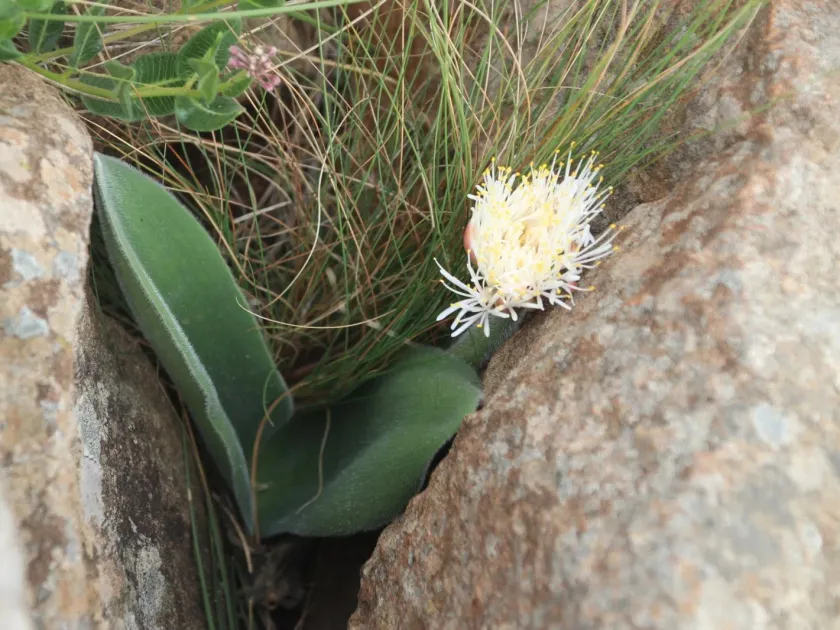
Description
Growing requirements
Haemanthus humilis is a distinctive member of the Amaryllidaceae family. Native to the rocky slopes and grasslands of South Africa, this plant has evolved to thrive in environments with distinct seasonal cycles.
The plant is characterized by a robust bulb that produces typically two fleshy, often pubescent leaves. Its growth pattern includes a pronounced dormancy phase, which is a critical survival mechanism during dry seasons.
Cultivation requires bright, indirect sunlight. Excessive exposure to intense direct sun can cause leaf scorch, whereas insufficient light leads to etiolation and weakens the structural integrity of the foliage.
A well-draining soil medium is mandatory for the health of Haemanthus humilis. A mixture composed of sandy loam, perlite, and coarse organic matter ensures that water does not accumulate around the bulb.
Temperature management should mimic its native habitat. It prefers warm conditions during the growing season (18-22°C) and requires a cooler, dry rest period during winter (12-15°C) to initiate future blooming.
Main diseases and pests
The primary threat to this species is fungal root rot, typically caused by overwatering or poor drainage. This condition can rapidly compromise the bulb and lead to systemic failure of the plant.
Common indoor pests such as mealybugs, scale insects, and spider mites are frequent invaders. These pests thrive in dry indoor conditions and can cause significant damage to the leaf surfaces.
Management of pest populations involves regular monitoring and the application of appropriate horticultural oils or systemic insecticides to maintain plant vigor.
Viral infections can occasionally manifest as mottled patterns on the leaves. While there is no cure, preventing the spread through careful tool sanitation is essential for any collection.
Maintaining proper air circulation around the plant helps reduce the incidence of fungal issues, especially when ambient humidity levels fluctuate during the transition seasons.