
Hippeastrum reginae
Hippeastrum reginae (L.)
Description
Growing requirements
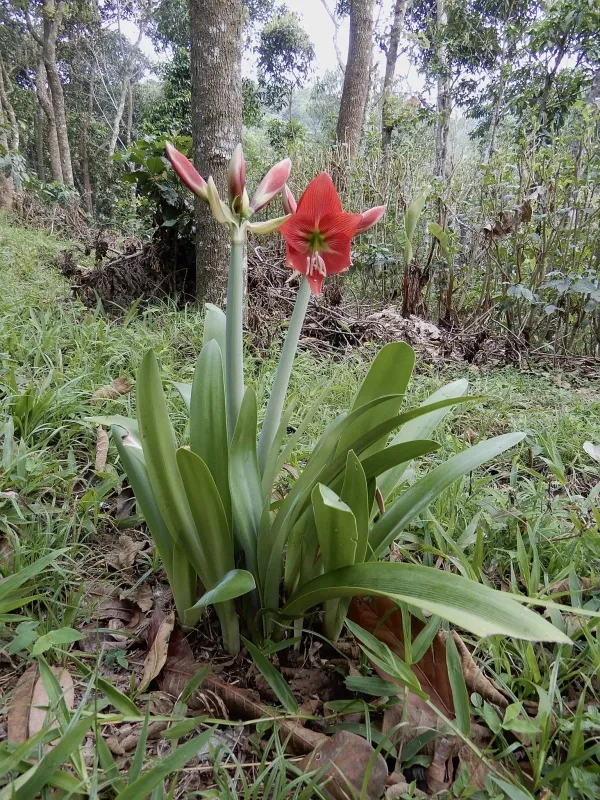
Hippeastrum reginae is a striking bulbous species belonging to the Amaryllidaceae family. Originating from the tropical regions of Mexico and South America, it is highly valued for its large, funnel-shaped crimson flowers with a white throat.
The plant thrives in bright, filtered light. While it appreciates morning sun, intense afternoon direct light can scorch the foliage. Proper light exposure is critical for the storage of carbohydrates in the bulb, which fuels future flowering cycles.
Temperature management is a key aspect of cultivation. During the growth phase, maintaining temperatures between 20°C and 25°C is ideal. Following the flowering period, the plant requires a cool, dry dormancy period at 12-15°C to initiate flower bud differentiation.
The soil should be a well-draining, nutrient-rich potting mix. A combination of loam, leaf mold, and coarse perlite or sand provides the necessary aeration and moisture retention. Poor drainage is the primary cause of root failure in this species.
Fertilization should be consistent during the active growth season. A balanced liquid fertilizer applied bi-weekly helps replenish nutrients, though it should be withheld completely during the dormant phase to prevent premature growth.
Main diseases and pests
Stagonospora curtisii, commonly known as red blotch disease, is the most significant threat to Hippeastrum. It causes reddish-brown lesions on the bulb scales and leaves, eventually leading to structural weakness.
Basal rot, caused by various fungal pathogens like Fusarium, develops primarily due to waterlogged conditions. It leads to the rapid decay of the bulb base and loss of the root system, often resulting in sudden plant collapse.
Mealybugs are common pests that infest the leaf axils, leaving a cottony white substance. These insects extract sap and can significantly stunt the growth of the plant if not controlled manually or with systemic insecticides.
Spider mites represent a major concern during dry, indoor conditions. They cause stippling on the leaves, which eventually turn yellow and die. Increasing ambient humidity and using appropriate miticides are standard control measures.
Bulb mites can infect damaged bulbs, especially when stored in improper conditions. Regular cleaning of bulbs after the foliage dies back is essential to minimize the risk of infestation for the following season.