
Haemanthus hybrids
Haemanthus hybrids
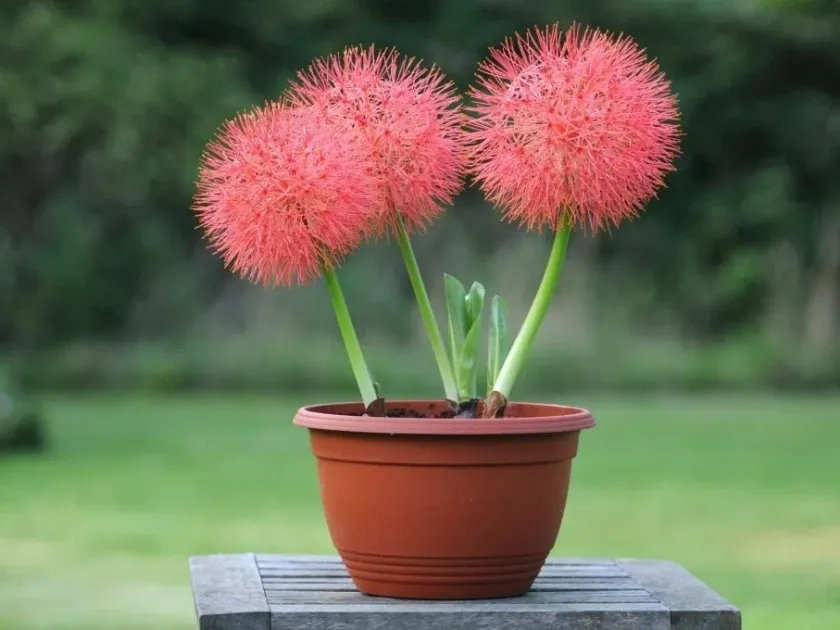
Description
Growing requirements
Haemanthus hybrids belong to the Amaryllidaceae family and are highly valued for their distinctive, brush-like inflorescences. These cultivated forms combine the hardiness of wild species with enhanced aesthetic features, such as larger flowers and broader color ranges.
Originating primarily from South African climates, these plants require distinct seasonal cycles to thrive. They prefer bright, indirect sunlight and should be protected from harsh, direct rays that can scorch the fleshy, succulent-like leaves of the plant.
The substrate must be well-draining, consisting of a mix of potting soil, coarse sand, and perlite. Proper drainage is the most critical factor in their cultivation, as the succulent nature of the bulbs makes them highly susceptible to rot if left in saturated conditions.
Temperature management is essential for these hybrids. During the growing season, they require moderate temperatures, while the dormant period demands cooler conditions to promote healthy development and ensure future blooming cycles.
Watering frequency should strictly correlate with the growth phase of the hybrid. During active growth, water when the top inch of soil feels dry, but during dormancy, water should be minimized or withheld to prevent premature rotting of the bulb base.
Main diseases and pests
Fungal rots, specifically bulb rot, are the primary threat to Haemanthus hybrids. This typically occurs due to poor soil aeration or excessive moisture, often exacerbated by a lack of proper drainage holes at the base of the container.
Mealybugs are a frequent concern, often hiding between leaf bases or near the bulb neck. Regular inspection and targeted application of horticultural oils or systemic insecticides are necessary to manage infestations before they become systemic.
Spider mites can become a significant issue in dry, indoor environments, leading to leaf discoloration and stunted growth. Frequent misting or maintaining adequate humidity levels can act as a natural deterrent against mite outbreaks.
Scale insects may colonize the leaf surfaces, causing localized yellowing and weakening the plant's overall vitality. Manual removal using an alcohol-soaked swab is often effective if the infestation is detected early enough.
Virus-related mosaic symptoms are irreversible and require strict sanitation practices. Because these pathogens are often spread by sap-sucking insects, robust pest control remains the best preventative measure against viral outbreaks in the collection.