
Haemanthus carneus
Haemanthus carneus
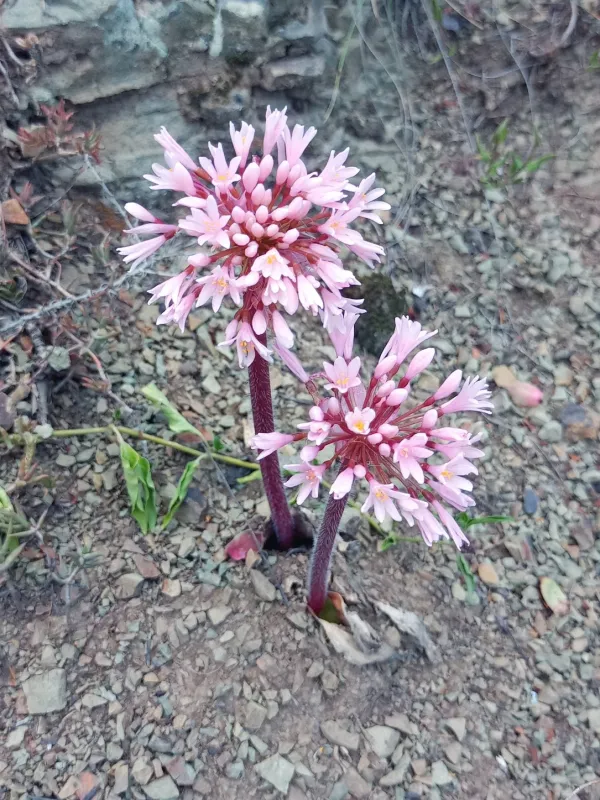
Description
Sowing dates
The propagation of Haemanthus carneus, a member of the Amaryllidaceae family, is primarily performed by separating offsets or daughter bulbs from the parent plant during the repotting process.
Optimal planting time is in the early spring, as the plant emerges from its dormancy period and prepares for its new vegetative growth cycle.
Care must be taken to choose pots that allow for adequate root expansion while maintaining strict drainage requirements, as the root system is sensitive to water accumulation.
The bulbs should be planted so that the neck of the bulb is positioned at or just above the soil level to prevent fungal infections of the bulb tissues.
Seed-based reproduction is rare and generally reserved for professional breeding programs, requiring fresh seeds planted immediately in a warm, humid environment.
Growing requirements
Originating from the southern regions of Africa, Haemanthus carneus requires a climate that mimics its native habitat, specifically regarding light intensity and seasonal temperature cycles.
The plant thrives in a well-draining, slightly acidic to neutral substrate, such as a mix of peat, sand, and perlite, which ensures proper gas exchange for the roots.
During the growing season, a consistent watering schedule is essential, ensuring the soil remains moist but never waterlogged to avoid root rot.
The plant requires a distinct winter dormancy period characterized by reduced light and lower temperatures, typically between +12 °C and +15 °C, to trigger future flowering.
Bright, indirect light is necessary for healthy leaf production, as direct intense sun exposure during the hottest parts of the day can damage the foliage.
Main diseases and pests
Basal rot and various fungal pathogens pose the most significant threat to Haemanthus carneus, primarily resulting from excessive soil moisture or improper ventilation.
Mealybugs are a common pest issue; they tend to accumulate in the leaf axils, necessitating frequent inspections and timely application of insecticidal treatments.
Spider mites represent a recurring problem in indoor settings where low humidity levels prevail, often leading to yellowing and premature death of the foliage.
Scale insects can attach themselves to the stems and leaf bases, creating a protective layer that makes them resistant to conventional pest control methods.
To mitigate these threats, growers should maintain strict hygiene by removing dead plant material and ensuring optimal airflow around the base of the plant.