
Hessea breviflora
Hessea breviflora
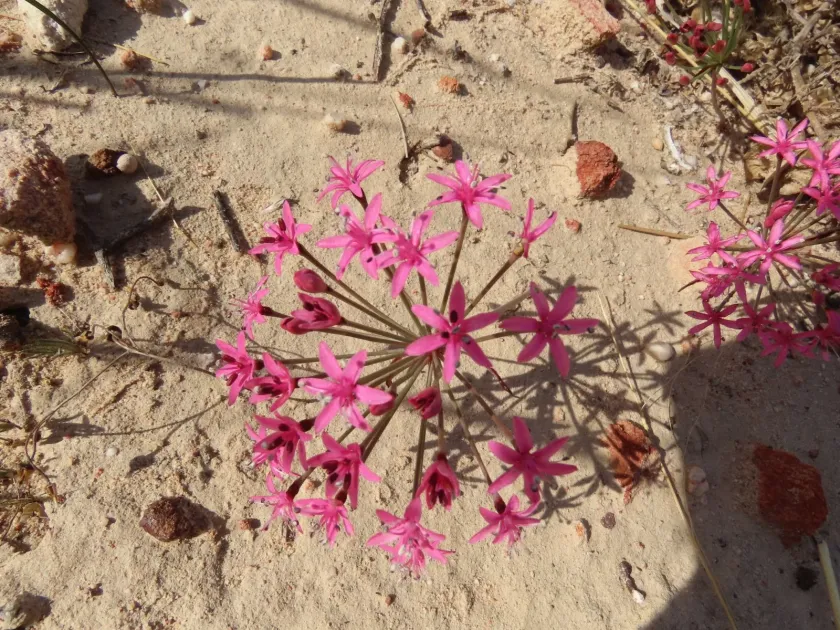
Description
Growing requirements
Hessea breviflora is a distinctive bulbous species belonging to the Amaryllidaceae family, native to the arid and semi-arid regions of South Africa. The plant is well-adapted to the winter rainfall patterns of its natural habitat, which dictates its growth cycle.
The cultivation of Hessea breviflora requires well-drained, sandy soil conditions that prevent waterlogging. Providing an appropriate drainage medium is critical to mimic the natural soil profile where these bulbs thrive without rotting during dormant phases.
Environmental requirements for successful growth involve cool, moist seasons for foliage and flower development, followed by a dry period for the bulb to enter dormancy. Growers must strictly manage water application to reflect these natural environmental shifts.
Bright, filtered sunlight is preferred for the active growth phase, as intense, direct afternoon heat can scorch the delicate leaves. Maintaining adequate ventilation is essential to manage micro-climate humidity levels around the foliage.
In terms of agricultural and horticultural use, this species is highly valued by collectors and botanic gardens for its unique inflorescences. While not a large-scale agricultural crop, its study contributes to the knowledge of geophytic plants within the Amaryllidaceae family.
Main diseases and pests
The primary threat to Hessea breviflora is the development of fungal infections, particularly Fusarium and Pythium, which proliferate in overly damp soil. These pathogens directly attack the bulb, often leading to rapid tissue death and plant loss.
Pests such as thrips and spider mites pose a constant challenge, especially in indoor or greenhouse environments. These insects target the foliage, causing chlorosis and reducing the photosynthetic efficiency of the plant during its critical growth stage.
Root mealybugs can cause significant damage to the bulb base during dormancy, often going unnoticed until the plant fails to emerge in the next season. Implementing a proactive pest management plan is vital for healthy bulb production.
Nematode infestations can severely stunt plant growth and compromise root integrity. To mitigate this risk, growers should utilize sterile growing media and avoid reusing soil from infected containers without proper sterilization procedures.
Integrated pest management, combining sanitation with targeted chemical controls only when necessary, ensures the longevity of these delicate plants. Monitoring for early signs of disease and adjusting moisture levels remains the most effective prophylactic strategy.