
Blood Lily
Haemanthus L.
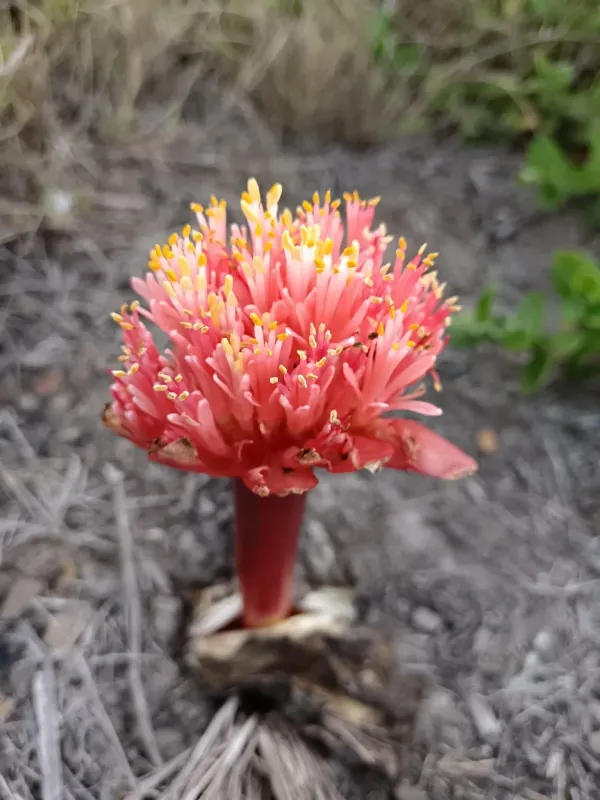
Description
Growing requirements
The Blood Lily (Haemanthus L.) is a bulbous perennial belonging to the Amaryllidaceae family. Originating from the diverse landscapes of Southern Africa, this plant has evolved to thrive in environments with seasonal rainfall, making it a unique specimen for collection.
Successful cultivation requires a well-draining, porous soil medium. A mixture of loam, peat, and coarse sand is recommended to ensure that moisture does not accumulate around the bulb, which is highly susceptible to decay if kept in waterlogged conditions.
The plant requires bright, filtered light to maintain its robust structure. While it can tolerate some sun, excessive exposure during the peak heat of the day can lead to leaf scorch, indicating that placement near windows with sheer curtains is optimal for growth.
Watering protocols must be strictly followed according to the developmental cycle. During the active growing season, regular watering is necessary, but the soil must be allowed to dry out significantly between sessions to mimic the natural ecological rhythm of the plant.
A dormant period during the winter months is essential for the bulb to recharge. During this phase, the plant should be kept in a cooler environment with temperatures ranging from 12°C to 15°C, and watering should be reduced to a minimum to prevent rotting.
Main diseases and pests
Common pests affecting Haemanthus include scale insects and spider mites. These pests thrive in dry indoor environments and can be mitigated through regular monitoring, leaf cleaning with a damp cloth, and the use of appropriate systemic insecticides if necessary.
Fungal infections, such as red blotch or root rot, are the most significant threats to the bulb. These conditions are usually triggered by poor drainage or excessive humidity, making soil aeration and proper drainage holes absolute necessities for healthy growth.
Mealybugs are another potential threat that hides in the crevices of the bulb scales and leaf bases. Their presence is marked by white, cotton-like residue, requiring manual removal using cotton swabs dipped in alcohol followed by horticultural oil applications.
Good air circulation is vital to prevent the colonization of pathogenic fungi on the foliage. Placing plants too close together in an indoor setting can lead to stagnant air, which encourages the development of gray mold and other foliage-destroying microbes.
To ensure plant longevity, one must prioritize clean sanitation practices. Sterilizing tools before pruning and ensuring that no organic matter or fallen debris remains on the soil surface significantly reduces the risk of pest and disease outbreaks.