
Baker's narcissus
Narcissus bakeri
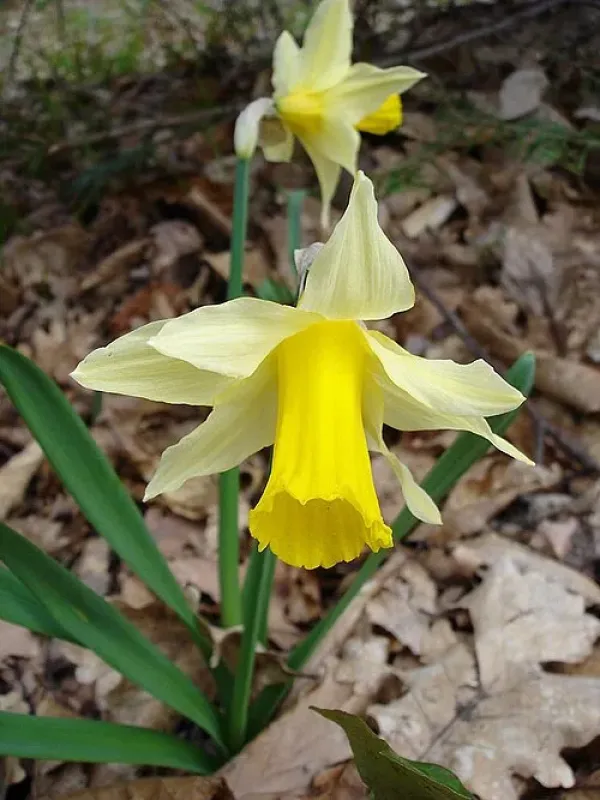
Description
Sowing dates
Planting of Baker's narcissus bulbs should occur during the autumn season. The goal is to allow the root system to establish itself before the ground freezes, which typically requires several weeks of cool soil temperatures.
When planting, it is recommended to set the bulbs at a depth approximately three times their height. This provides sufficient insulation against temperature fluctuations while allowing the shoot to emerge efficiently in the spring.
Providing a bed of coarse sand beneath each bulb is a highly effective cultural practice. This promotes rapid drainage away from the bulb base and acts as a minor barrier against soil-borne pathogens and pests.
Adequate spacing, usually between 10 and 15 centimeters between bulbs, is required to prevent overcrowding. Proper air circulation between the plants reduces the humidity around the foliage and the risk of fungal infections.
Propagation is primarily achieved through the separation of bulblets from the parent bulb. After the foliage has turned yellow and withered naturally, the bulbs can be lifted, separated, and replanted for further multiplication.
Growing requirements
Baker's narcissus (Narcissus bakeri) is a member of the Amaryllidaceae family. This perennial bulbous plant is native to specific regions of the Iberian Peninsula, known for its elegant habit and distinct botanical characteristics.
The plant thrives in well-draining, light-textured soils. It is particularly sensitive to waterlogging, as excessive moisture can quickly lead to bulb rot, making site selection with adequate drainage a priority for growers.
To ensure optimal growth and flowering, Baker's narcissus requires a sunny location. While it can tolerate partial shade, maximum exposure to sunlight during the morning hours promotes better flower development and bulb replenishment.
The species prefers a temperate climate with mild winters. In areas prone to heavy frost, applying a protective layer of mulch is essential to maintain a stable soil temperature and prevent the bulbs from suffering freeze damage.
Agronomic management involves standard practices such as surface cultivation to improve soil aeration and weed control. Careful monitoring of moisture levels is crucial, especially during the active growth phase in early spring.
Main diseases and pests
Common threats to Narcissus bakeri include the narcissus bulb fly and various species of mites. These pests penetrate the bulb, causing internal tissue damage that often leads to stunted growth or total plant failure.
Fungal pathogens such as Fusarium oxysporum are the most significant threats to healthy cultivation. These fungi thrive in damp environments and cause basal rot, which can destroy the entire root system if not addressed.
Virus infections, often transmitted by aphids, represent a major challenge. Symptoms include leaf mottling and yellow streaks, for which there is no cure, necessitating the immediate removal and destruction of infected individuals.
Integrated pest management, including the use of certified healthy bulbs and preventive fungicide dips, significantly reduces the likelihood of outbreaks. Maintaining a clean garden environment is vital for long-term health.
Proper sanitation at the end of the season involves the removal of dead plant debris, which helps prevent the overwintering of pests and fungi, ensuring a more productive growing season for the following year.