

Albit Tps
ТОВ «Науково виробнича фірма «Альбіт» (Росія)
Plant Growth Regulators
0
0
·
61
2 offers
7.25 €per 1 l
Buy
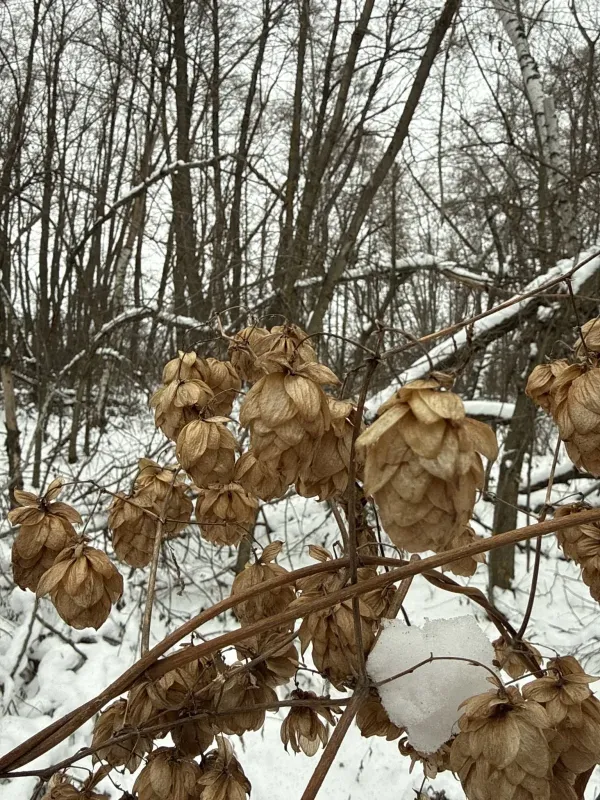
Common hop (Humulus lupulus L.) is a perennial climbing plant belonging to the Cannabaceae family. It is commercially cultivated primarily for its female inflorescences, known as cones, which are essential in the brewing industry due to their bittering and aromatic properties.
The plant thrives in temperate climates with well-distributed rainfall throughout the growing season. It requires deep, fertile, and well-drained soils, ideally with a slightly acidic to neutral pH, to support its extensive and vigorous root system.
Due to its climbing nature, hop plants must be trained onto high trellis systems, often reaching heights of several meters. Access to direct sunlight is crucial, as is shelter from strong winds, which can damage the fragile bines during rapid growth phases.
Agricultural management requires careful attention to irrigation and fertilization. Because of the rapid biomass production in the summer, hops have high nutrient demands, particularly for nitrogen, phosphorus, and potassium, alongside consistent soil moisture.
Beyond its traditional use in beer production, hop extracts are increasingly utilized in the pharmaceutical and wellness industries for their sedative, anti-inflammatory, and antioxidant properties.
Hop cultivation is prone to various phytosanitary challenges, with fungal diseases such as downy mildew, alternaria blight, and verticillium wilt being the most significant threats to yield and quality.
Other prevalent diseases include anthracnose, sclerotinia rot, and gray mold. These pathogens often thrive in high-humidity microclimates within the hop yard, requiring proactive fungicide applications and improved canopy management.
Insect pests are equally problematic; the root-knot nematode is particularly destructive to the root system. Furthermore, pests like the greenhouse whitefly, leaf-eating caterpillars, and sawflies can cause substantial defoliation if left uncontrolled.
Agricultural monitoring should also account for insects like the cabbage butterfly, pea weevil, meadow moth, and the dusty surface beetle. Less common, but still noteworthy, are threats from grape phylloxera and the fruit weevil.
Integrated Pest Management (IPM) is the standard approach for hop growers, combining cultural practices such as pruning and debris removal with targeted applications of biological or chemical control agents to ensure a healthy harvest.
The timing of the hop harvest is critical and is determined by checking the maturity of the cones, ensuring they have reached optimal resin and lupulin levels to guarantee the highest possible quality for the brewing industry.


