
Japanese hop
Humulus japonicus Siebold & Zucc.
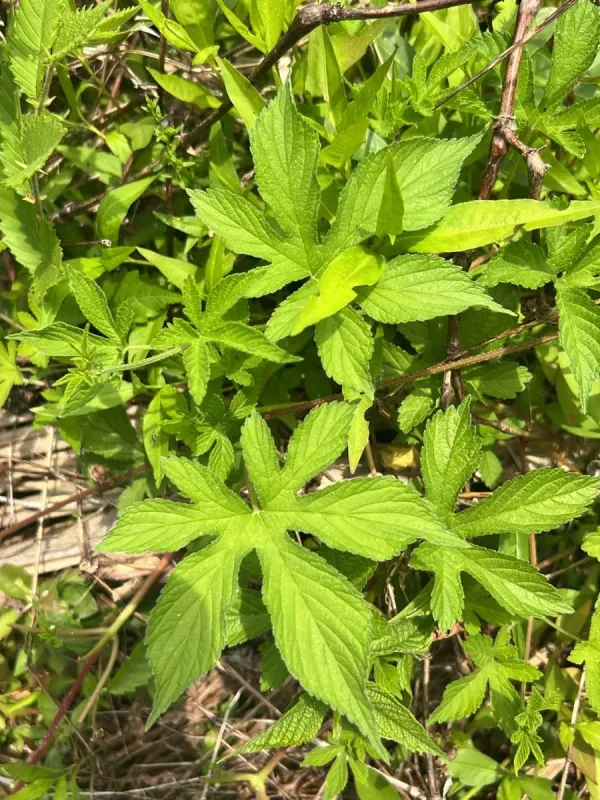
Description
Sowing dates
Japanese hop, scientifically known as Humulus japonicus, is a vigorous annual vine belonging to the Cannabaceae family. Sowing is typically performed in late spring when the soil has warmed up significantly, ensuring the seedlings are protected from late frost.
For gardeners looking to extend the growing season, starting seeds indoors in late March or early April is a recommended practice. Using peat pots helps to minimize root disturbance during the eventual transplanting process in May.
When planting in the garden, it is crucial to space the seeds or seedlings at least 50 to 70 centimeters apart. This spacing is necessary to accommodate the rapid lateral and vertical growth characteristic of this species.
Seeds should be sown at a shallow depth of approximately 1 to 2 centimeters. Maintaining consistent soil moisture during the germination period is essential to achieve a uniform and healthy stand of seedlings early in the season.
The selection of the planting site is paramount. A location that receives full sun exposure will promote the fastest growth and the most vibrant leaf coloration, making it ideal for creating dense screens or vertical green walls.
Growing requirements
The Japanese hop thrives in fertile, well-draining soil that is rich in organic matter. While it is adaptable to various soil types, maintaining a neutral pH balance is generally preferred for optimal nutrient absorption.
As a fast-growing climber, this plant requires sturdy support structures such as trellises, fences, or heavy-duty wire mesh. Without proper support, the vines will become tangled, leading to poor air circulation and increased disease risk.
Regular irrigation is vital during the peak of summer. While the plant can withstand short periods of dryness, consistent moisture prevents leaf drop and ensures that the plant continues to climb effectively throughout the entire growing season.
Nitrogen-rich fertilization during the early vegetative stage encourages substantial foliage growth. Applying a balanced fertilizer once a month helps maintain the plant's health and visual density during the summer months.
Adequate sunlight is the most significant requirement for this species. Full sun ensures that the plant does not become leggy, as the vines will naturally grow toward the brightest light source available in their environment.
Main diseases and pests
Spider mites are the most notorious pests affecting Humulus japonicus, especially in hot, arid conditions. These mites can quickly devastate the foliage if left unchecked, often necessitating the use of horticultural oils or soaps.
Aphids are another frequent threat, often attacking the tender growth tips. Early intervention with natural remedies or gentle sprays can prevent an aphid colony from spreading and stunting the growth of the vines.
Powdery mildew represents the primary fungal challenge for Japanese hop. This disease is most prevalent in areas with high humidity or poor air circulation, manifesting as a white, powdery coating on the surface of the leaves.
Root rot, caused by waterlogged soil, can severely impact plant development. Ensuring the planting site has excellent drainage and avoiding over-irrigation are the best preventative measures against soil-borne pathogens.
Regular monitoring of the vine's health, particularly checking the undersides of leaves for pests, is the best strategy for a successful harvest or decorative experience. Maintaining clear space around the plant prevents many common issues.