
Description
Symptoms
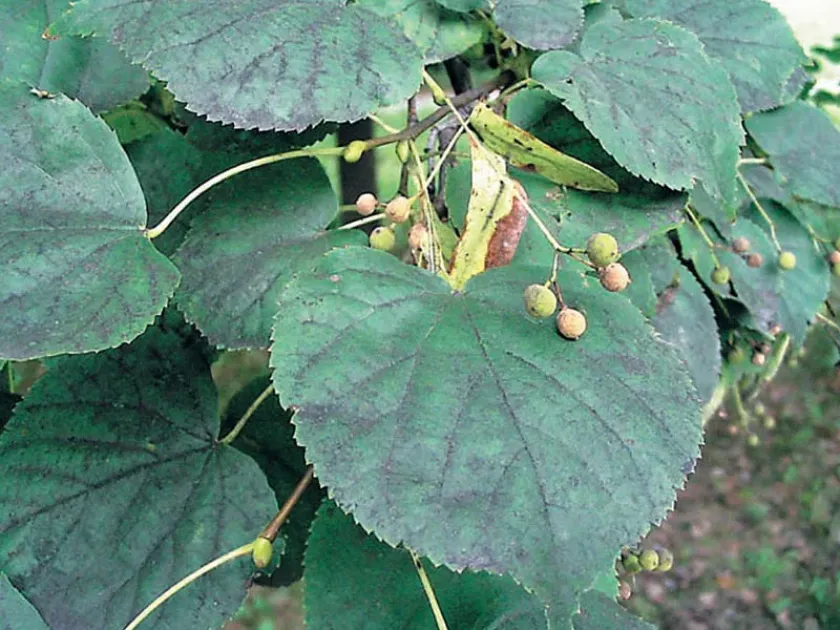
The most distinctive symptom is the development of a dark, sooty, or charcoal-colored coating that covers the surface of leaves, twigs, and sometimes fruit.
Early stages of infection appear as a thin, dust-like layer that can be easily wiped away with a damp cloth or fingers.
As the fungal colonies mature, the layer becomes thicker and more tenacious, potentially covering the entire leaf surface in a dense, dark mat.
In hosts like citrus or bananas, the fungus is often concentrated on the upper leaf surface, following the accumulation of insect excreta dripping from above.
Visible signs of insect infestation, such as colonies of aphids or scales on the undersides of leaves, are almost always present alongside the fungal mold.
Pathogen
Sooty mold (scientific name Limacinula tenuis) is a type of fungal pathogen that thrives on the sugary secretions known as honeydew.
This fungus acts as an epiphyte, meaning it does not penetrate the plant tissues itself but instead grows exclusively on the surface of leaves and stems.
The primary catalyst for its colonization is the presence of sap-sucking insects, such as aphids, whiteflies, mealybugs, and scale insects, which produce the nutrient-rich honeydew.
The disease affects a vast range of plants, notably citrus trees, hops (Humulus lupulus), banana plants, elm trees, and ornamental species like Cattleya orchids.
The fungus produces masses of spores that are easily disseminated by wind or splashing water, facilitating the spread of the disease within a garden or greenhouse environment.
Conditions for development
High humidity and poor air circulation are the primary environmental conditions that favor the rapid proliferation of sooty mold.
The presence of large populations of sap-sucking insects is the most critical factor, providing the continuous supply of honeydew required for fungal survival.
Temperatures ranging from 20°C to 25°C are ideal for the fungus to establish itself and spread across the canopy of the plant.
Lack of proper sunlight penetration and high planting density exacerbate the problem by creating microclimates with stagnant air.
Neglecting plant hygiene, such as leaving debris or infested foliage, further encourages the accumulation of fungal spores in the growing area.
Why it matters
The primary damage caused by sooty mold is not direct tissue decay, but the physical obstruction of light and air necessary for photosynthesis.
By masking the surface of the leaves, the mold slows down the plant's metabolic processes, leading to reduced growth, yellowing, and eventual leaf drop.
For ornamental plants and commercial crops, the mold severely depreciates the aesthetic and market value of the foliage and fruits.
Chronic infestation weakens the plant's overall health, making it significantly more susceptible to secondary bacterial and fungal infections.
In hops and similar agricultural crops, the mold can lead to decreased yield and poor quality of the final product due to prolonged physiological stress.
Protection
The most effective strategy for managing sooty mold is to control the underlying population of sap-sucking insects that secrete the honeydew.
Regular washing of the foliage with a mild soap solution is highly recommended to physically remove the mold and residue left by insects.
Pruning is essential to improve airflow through the plant canopy, which helps reduce the humidity levels that the fungus requires for growth.
When infestation levels are severe, application of appropriate fungicidal treatments can assist in managing the spread of the mold.
- Monitor plants for early signs of pests.
- Prune to ensure proper ventilation.
- Use horticultural oils to manage insects.
- Keep the garden area clean and debris-free.
Pathogens and affected parts
Affects crops · 5
Discussion
No discussions yet — be the first.