
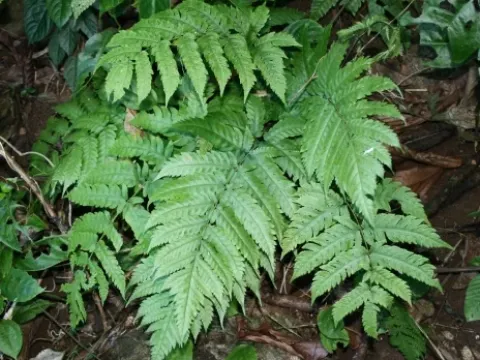
Tectaria
Tectaria
Tectaria is a genus of ferns belonging to the Tectariaceae family, known for its diverse species found primarily in tropical and subtropical regions. These plants naturally inhabit forest floors where high humidity and shade provide ideal conditions for their growth.
What the section contains
 Ceylon Tectaria
Tectaria zeilanica
Ceylon Tectaria
Tectaria zeilanica
 Tectaria angulata
Tectaria angulata
Tectaria angulata
 Tectaria aurita
Tectaria aurita
Tectaria aurita
 Tectaria barberi
Tectaria barberi
Tectaria barberi
 Tectaria decurrens
Tectaria decurrens
Tectaria decurrens
 Tectaria dissecta
Tectaria gigantea
Tectaria gigantea
Tectaria dissecta
Tectaria dissecta
Tectaria gigantea
Tectaria gigantea
 Tectaria impressa
Tectaria impressa
Tectaria impressa
 Tectaria incisa
Tectaria melanorachis
Tectaria melanorachis
Tectaria incisa
Tectaria incisa
Tectaria melanorachis
Tectaria melanorachis
 Tectaria membranacea
Tectaria membranacea
Tectaria membranacea
 Tectaria polymorpha
Tectaria polymorpha
Tectaria polymorpha
 Tectaria semibipinnata
Tectaria semibipinnata
Tectaria semibipinnata
 Tectaria singaporiana
Tectaria singaporiana
Tectaria singaporiana
 Tectaria trifoliata
Tectaria trifoliata
Tectaria trifoliata
 Tectaria vasta
Tectaria vasta
Tectaria vasta
Tectaria
Cultivating these ferns requires a stable temperature range, ideally between 18°C and 25°C. Exposure to sudden temperature drops or cold drafts can cause the fronds to wilt or develop brown edges, significantly reducing the plant's ornamental appeal.
The substrate must be well-draining yet retain sufficient moisture, as these plants thrive in an airy soil mix. A combination of peat, perlite, and leaf mold works effectively to mimic the nutrient-rich, loose soil of a forest floor.
Watering should be managed consistently to ensure the potting medium remains slightly moist but never waterlogged. Using room-temperature, filtered water is recommended to prevent mineral buildup and root stress within the pot.
Tectaria ferns prefer filtered or indirect light conditions, as direct sunlight can easily scorch the delicate foliage. If grown indoors, placing the plant away from south-facing windows or using sheer curtains will provide the necessary protection from intense rays.
Spider mites are a common pest problem for Tectaria, particularly when indoor air humidity falls too low. Regular misting and maintaining proper environmental conditions are the first lines of defense against these persistent microscopic pests.
Scale insects can attach themselves to the stems and fronds, feeding on plant sap and weakening the structure. Manual removal with a cotton swab soaked in rubbing alcohol is often effective for minor infestations before resorting to chemical controls.
Root rot is the most dangerous condition for Tectaria, usually resulting from poor drainage or excessive watering. Once the roots begin to decay, the plant struggles to uptake nutrients, leading to rapid yellowing and collapse of the entire foliage.
Fungal leaf spots can occur when foliage remains wet for extended periods in environments with poor air circulation. Proper spacing between plants and ensuring good airflow help to keep the leaves dry and prevent the proliferation of pathogenic fungi.
Nutrient deficiency, often manifested as faded or yellowish fronds, suggests a need for a diluted, balanced liquid fertilizer. Monitoring the plant's health periodically allows for early intervention, ensuring that the fern remains vibrant and robust throughout the year.