
Tectaria semibipinnata
Tectaria semibipinnata
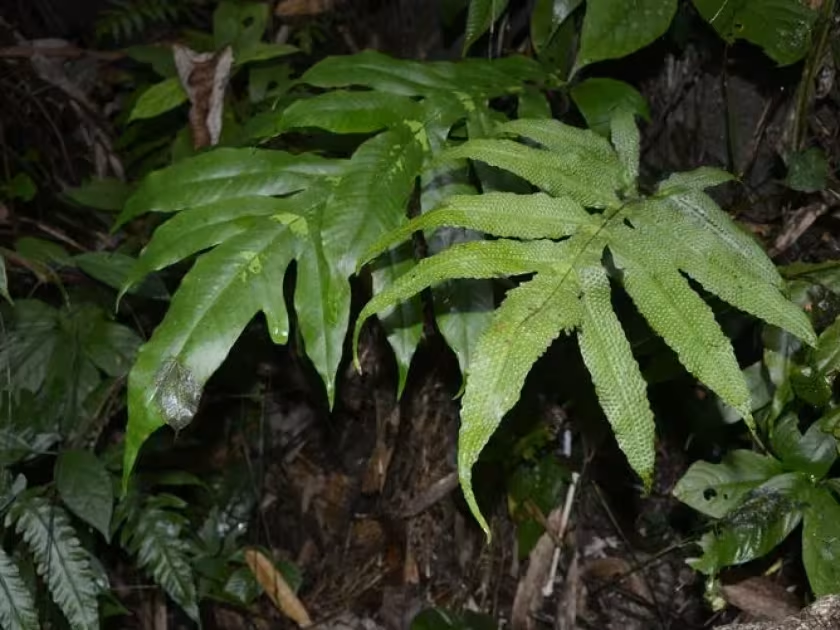
Description
Growing requirements
Tectaria semibipinnata is a perennial fern species that belongs to the Tectariaceae family. It is known for its intricate fronds and specific adaptation to the shaded, humid environments typical of tropical forest ecosystems.
The native distribution of this species spans various tropical regions, where it thrives in shaded gullies or moist forest floors. In cultivation, the plant requires consistent environmental conditions, specifically high atmospheric humidity and protection from direct sunlight.
Soil requirements for Tectaria semibipinnata involve a loose, airy substrate with high organic content. A mix including perlite, pine bark, and peat is ideal to ensure proper moisture retention without causing waterlogged conditions.
Temperature management is a primary aspect of its agronomy. It performs best in environments where temperatures remain between 22 and 26 degrees Celsius, avoiding any exposure to frost or prolonged chilly drafts.
Regarding light, it is a shade-loving species. It should be placed in areas with bright, indirect light, as excessive intensity quickly damages the delicate foliage and disrupts the photosynthetic process of the fern.
Main diseases and pests
Pest management for Tectaria semibipinnata focuses primarily on controlling spider mites, which thrive in dry conditions. Ensuring the ambient humidity remains high is the most effective preventative measure against these pests.
Fungal pathogens represent a significant threat if the ventilation is insufficient. Stagnant air often leads to the development of leaf spots or stem rot, which can rapidly deteriorate the plant's structural integrity.
Mealybugs are another common pest that tends to hide in the axils of the fronds. Mechanical removal with a cotton swab soaked in alcohol is often sufficient to control minor infestations before they become systemic.
Over-fertilization can result in salt buildup in the potting medium, which manifests as scorched frond tips. It is recommended to flush the soil periodically with pure water to remove any accumulation of mineral salts.
General hygiene, including the prompt removal of decaying fronds and keeping the surrounding area clean, significantly reduces the likelihood of disease outbreaks in any commercial or hobbyist greenhouse setting.