
Tectaria membranacea
Tectaria membranacea
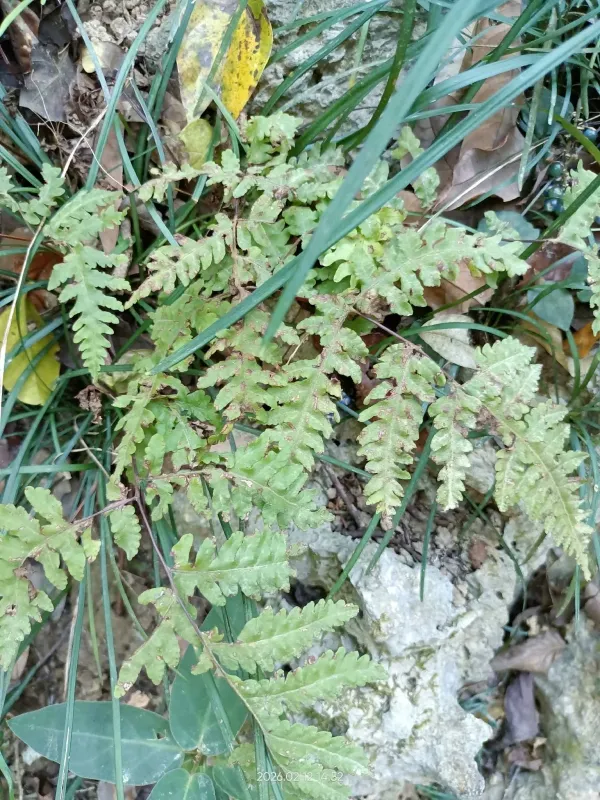
Description
Growing requirements
Tectaria membranacea is a distinctive species within the Tectariaceae family, originating from the humid rainforests of Asia. It is a rhizomatous fern that requires a specific microclimate to thrive, making it a specialty crop for conservatories and indoor environments.
This fern thrives in high-humidity conditions, ideally between 70% and 80%. Maintaining consistent moisture levels around the foliage is essential to prevent the delicate fronds from drying out at the edges.
The substrate must be well-draining, loose, and rich in organic matter. A mixture of peat, perlite, and decomposed forest humus is recommended to provide the necessary aeration for the root system.
Temperature management is critical; the species prefers stable conditions between 20°C and 25°C. Exposure to sudden cold snaps or heat waves can cause severe physiological stress and leaf abscission.
Filtered light is non-negotiable for this species. Direct exposure to intense light causes chlorosis and scorching of the membranous fronds, which are adapted to the low-light conditions of the forest floor.
Main diseases and pests
Root rot, induced by waterlogged soil, is the primary threat to this species. Poor drainage often leads to a quick decline in health, as the roots are highly sensitive to anaerobic conditions.
Spider mites are the most common pest found on Tectaria membranacea, especially in environments where air circulation is insufficient and humidity is allowed to drop below optimal levels.
Fungal pathogens such as Botrytis may develop if the foliage remains wet for extended periods in stagnant air. Ensuring good airflow around the plant is a fundamental preventive measure.
Scale insects can occasionally infest the stems and undersides of leaves. Early detection and manual removal are often sufficient to manage light infestations without chemical intervention.
Stunted growth or loss of foliage color often signals nutrient imbalances or poor water quality. Using distilled or filtered water is recommended to avoid chemical buildup in the substrate.