
Tectaria dissecta
Tectaria dissecta
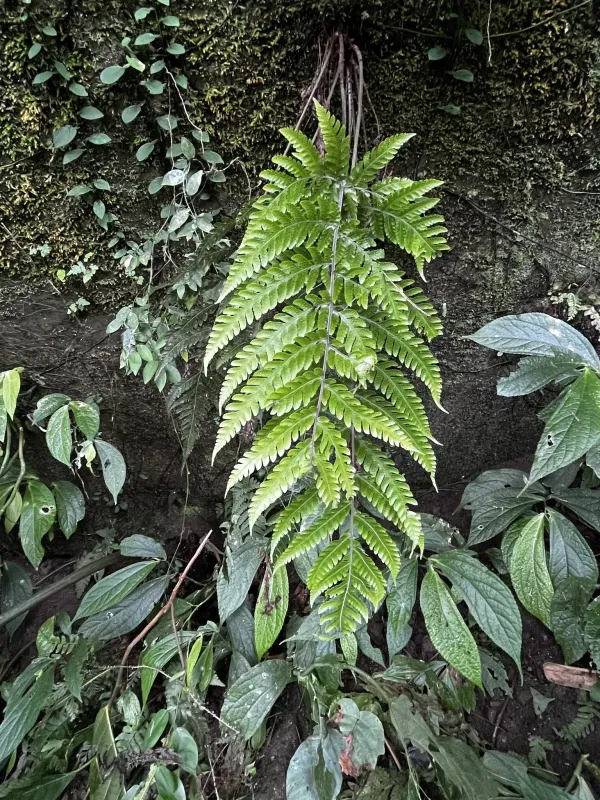
Description
Growing requirements
Tectaria dissecta is a distinct species of fern belonging to the Tectariaceae family. Native to the lush tropical regions of Asia, this plant thrives in the understory of dense forests, where the environment is characterized by consistently high humidity and deep, shaded conditions.
Botanically, the plant is known for its finely dissected fronds that create an intricate, lace-like appearance. Its creeping rhizome allows it to spread slowly across the forest floor, where it anchors into decaying organic matter, demonstrating its adaptation to nutrient-rich soils.
To cultivate this species successfully, one must replicate its natural habitat. This means providing diffused lighting, as direct sunlight is detrimental to its foliage. A temperature range between 18°C and 25°C is ideal for maintaining active growth throughout the year.
The substrate must be well-draining yet moisture-retentive. A mix of peat moss, pine bark, and perlite works effectively to prevent compaction while ensuring the roots remain aerated. Watering should be done with soft, room-temperature water to avoid mineral buildup in the sensitive roots.
Beyond its decorative value in indoor gardening and tropical terrariums, Tectaria dissecta serves as an important subject for botanical study regarding fern evolution and habitat specificity. Its role is primarily aesthetic, making it a sought-after addition for collectors of rare ferns.
Main diseases and pests
The primary threats to Tectaria dissecta include scale insects and spider mites, which thrive in stagnant, dry air conditions. Routine inspection and keeping the ambient humidity levels elevated are the most effective preventive measures against these pests.
Root rot caused by Phytophthora species is a serious concern if the potting medium lacks drainage. Once the roots are compromised, recovery is difficult; therefore, precise irrigation management is the cornerstone of preventing such physiological and pathological setbacks.