
Tectaria vasta
Tectaria vasta
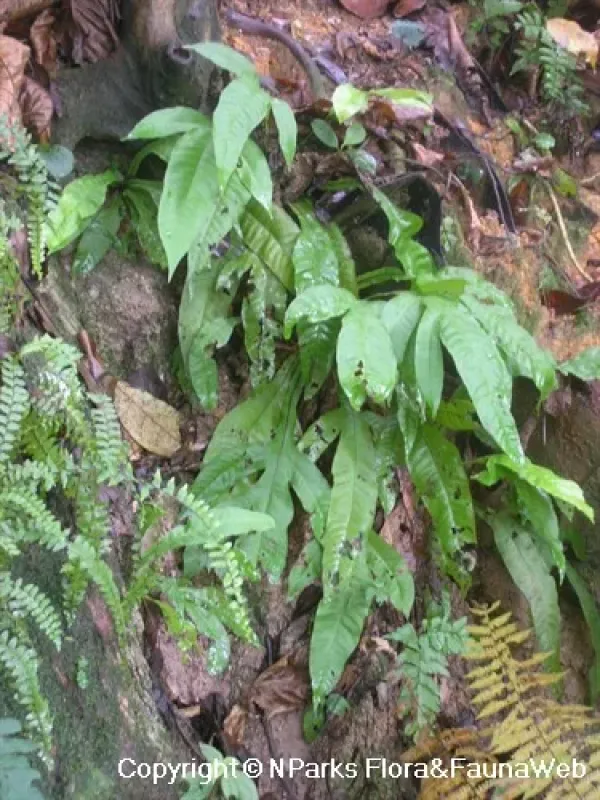
Description
Growing requirements
Tectaria vasta is a tropical fern belonging to the Tectariaceae family, native to the lush, humid forests of Southeast Asia. This species is highly prized by collectors for its dramatic, wide fronds and unique architectural foliage that thrives in a shady, protected environment.
Botanically, this fern displays a complex pinnate structure. The fronds are notably broad, which allows them to photosynthesize efficiently even in the low-light conditions typically found beneath the dense canopy of their native rainforest habitat.
To cultivate Tectaria vasta successfully, you must replicate its natural humid environment. It requires high relative humidity, ideally above 70 percent, and stable temperatures between 20 to 25 degrees Celsius. Avoid placing the plant in drafty areas or near heating vents, as dry air will quickly damage the fronds.
The soil should be light, airy, and rich in organic matter. A mixture consisting of peat moss, pine bark, and perlite works best, providing the necessary drainage to prevent the root system from becoming waterlogged while maintaining consistent moisture levels.
Maintenance involves frequent misting or the use of a humidifier. Fertilization should be handled with caution; use a balanced liquid fertilizer diluted to half strength during the active growing season to avoid burning the sensitive roots of the fern.
Main diseases and pests
Common pests affecting Tectaria vasta include spider mites and scale insects, which often thrive if the surrounding humidity drops too low. Regular wiping of the fronds with a damp cloth can help keep these pests at bay and prevent infestations.
Fungal issues, such as leaf spot or crown rot, are usually the result of overwatering or inadequate air circulation. Always ensure the pot has proper drainage holes and allow the top layer of the substrate to dry slightly before performing the next watering cycle.