
Tectaria barberi
Tectaria barberi
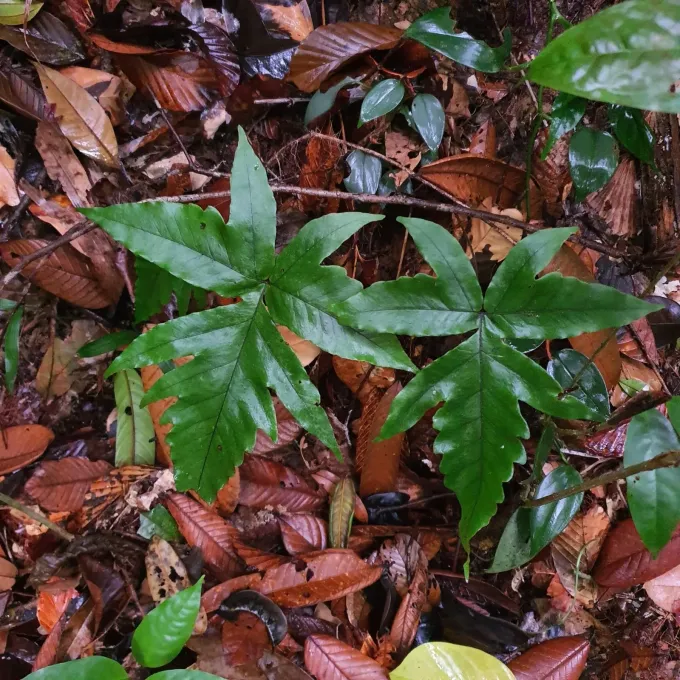
Description
Growing requirements
Tectaria barberi is a perennial herbaceous plant belonging to the Tectariaceae family. It is a ground-dwelling fern native to the tropical forests of Southeast Asia, where it thrives in shaded, high-humidity environments characterized by deep leaf litter.
This fern requires high environmental humidity to maintain its metabolic functions. For successful indoor or greenhouse cultivation, maintaining a humidity level between 70% and 80% is essential to ensure healthy frond development and prevent dehydration.
Temperature requirements for Tectaria barberi are strict; it grows best in conditions between +20°C and +26°C. It is a frost-sensitive plant, and any exposure to temperatures dropping below +15°C can cause severe physiological stress and potentially terminal damage to the foliage.
The ideal growing medium should be loose, well-draining, and rich in organic matter. A mixture of peat moss, perlite, and decomposed wood bark is recommended to ensure that the roots receive adequate aeration while maintaining sufficient moisture retention.
Lighting should be kept indirect or filtered. Tectaria barberi is highly adapted to the forest floor light regime, meaning direct sunlight should be avoided as it leads to rapid chlorophyll degradation, leaf scorch, and irreversible loss of aesthetic value.
Main diseases and pests
Common pests include spider mites, which thrive if the ambient air becomes too dry. These pests extract fluids from the fronds, leading to stippling, chlorosis, and eventual premature drop of the foliage if not treated promptly.
Root rot, caused by fungal pathogens, is a significant threat when soil drainage is poor. Overwatering prevents oxygen from reaching the roots, creating an anaerobic environment that facilitates the development of lethal soil-borne diseases.
Scale insects are another potential issue for Tectaria barberi. These pests often go unnoticed until a severe infestation has established itself on the underside of the leaves or along the stipes, requiring systemic insecticides for effective control.
Thrips may infest young, unfurling fronds, causing distorted growth and discolored patches. Regular inspection of the plant's heart and developing foliage is necessary to detect and mitigate thrip populations early.
Nutrient toxicity, particularly from hard water buildup in the substrate, can cause marginal leaf necrosis. It is recommended to use filtered or deionized water to prevent salt accumulation, which significantly weakens the plant and makes it more susceptible to opportunistic infections.