
Tectaria decurrens
Tectaria decurrens
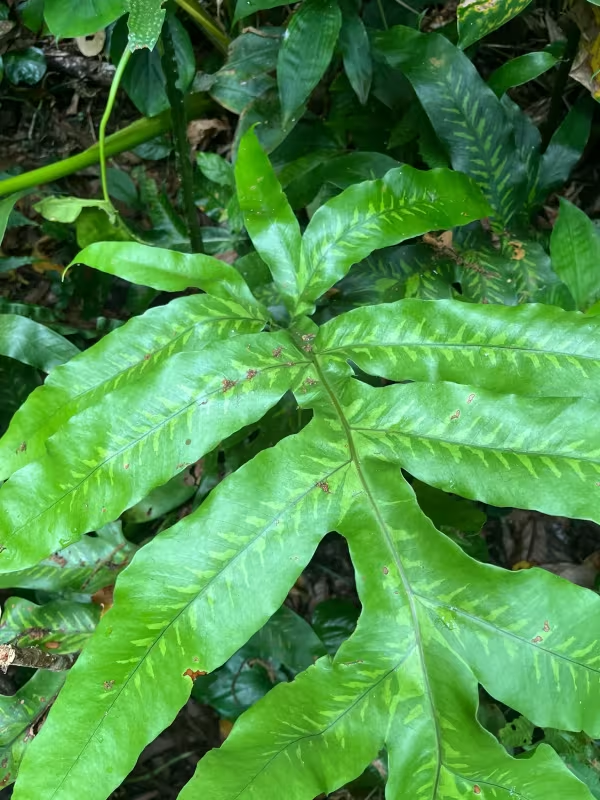
Description
Growing requirements
Tectaria decurrens is a member of the Tectariaceae family, native to the tropical rainforests of Southeast Asia and Oceania, where it thrives in the shady understory.
This fern requires high ambient humidity to remain healthy, making it an excellent candidate for humid greenhouses or terrariums where environmental conditions are strictly controlled.
The ideal temperature range for this species is between 20°C and 26°C. It is highly sensitive to cold drafts and should be kept away from air conditioning vents or open windows in colder regions.
A well-draining, nutrient-rich substrate is essential for growth. A mixture of peat moss, perlite, and coarse bark allows for adequate aeration while retaining the necessary moisture levels for the roots.
Indirect, filtered light is the best choice for Tectaria decurrens. It should never be placed in direct sunlight, as the intensity will scorch the fronds and degrade the plant's overall health.
Main diseases and pests
Common pests affecting this fern include mealybugs and scale insects, which often hide in the crevices of the frond stems and along the underside of the foliage.
Spider mites are a significant threat in environments with low humidity, quickly causing the leaves to yellow and lose their vitality if not treated promptly.
Fungal pathogens such as Pythium and Fusarium can cause root rot, particularly in overwatered, heavy, or poorly draining soil mixtures that lack oxygen.
Leaf spot diseases, often caused by bacterial infections, may occur if water is allowed to sit on the leaves for extended periods in environments with poor air circulation.
Regular maintenance, including removing dead or decaying fronds and keeping the surrounding area free of debris, is crucial for preventing the onset and spread of these threats.