
Tectaria polymorpha
Tectaria polymorpha
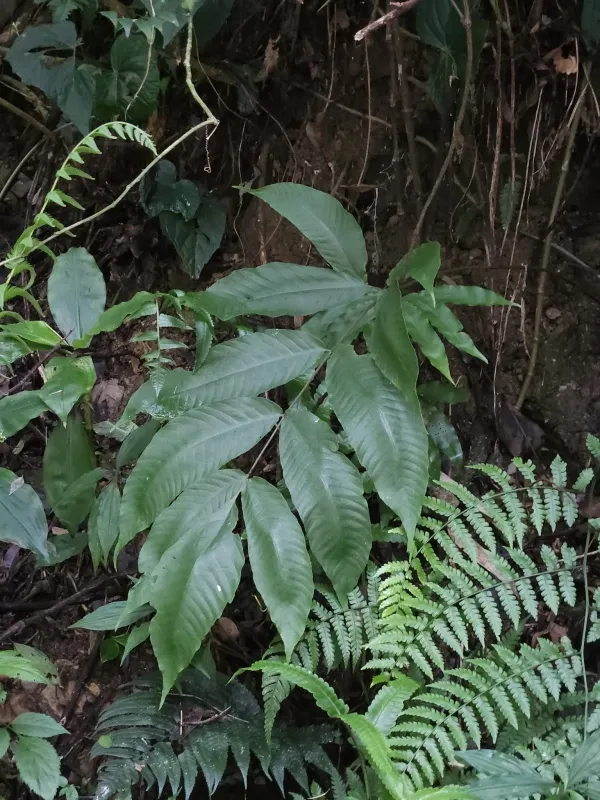
Description
Growing requirements
Tectaria polymorpha is a unique fern species belonging to the Tectariaceae family. It is native to the tropical forests of Southeast Asia, thriving in high-humidity environments under the forest canopy.
To grow this plant successfully, it requires consistent shade or indirect light. Exposure to direct sunlight will quickly cause leaf scorch and damage the delicate foliage of the plant.
The ideal soil for this species must be rich in organic matter, slightly acidic, and well-drained. A peat-based mix with added perlite is often recommended to maintain the necessary aeration for roots.
Watering should be frequent to keep the substrate moist but not waterlogged. The plant thrives in temperatures between 18 and 26 degrees Celsius and does not tolerate frost or cold drafts.
In terms of usage, it serves as a highly sought-after ornamental plant for conservatories, terrariums, and humid indoor spaces where its complex leaf structure can be showcased.
Main diseases and pests
The primary concern for Tectaria polymorpha is fungal infection caused by waterlogged soil. Proper drainage is essential to prevent root rot, which is the most frequent cause of plant death.
Pests such as spider mites and scale insects are common in indoor settings, particularly when the ambient air humidity falls below recommended levels.
Regular inspections of the underside of the leaves are necessary to detect early stages of pest infestation before they cause severe damage to the plant's health.
If an infestation occurs, gentle washing with insecticidal soap or applying neem oil is usually effective and safe for sensitive fern foliage.
Maintaining good air circulation around the plant helps prevent stagnant conditions that often favor the growth of molds and fungal pathogens.