
Tectaria trifoliata
Tectaria trifoliata
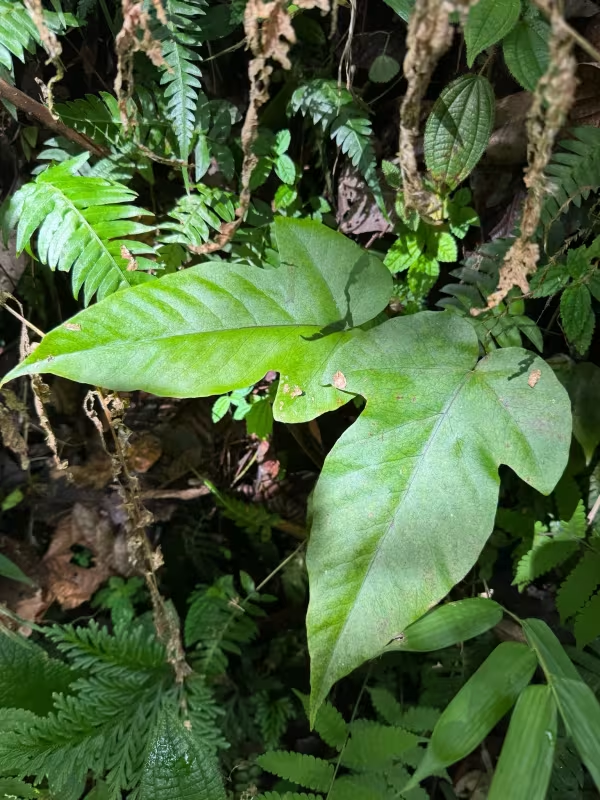
Description
Growing requirements
Tectaria trifoliata is a distinct tropical fern belonging to the Tectariaceae family. Native to the humid forests of the Americas, this species thrives in sheltered, shady environments with consistently high moisture levels.
The plant requires a temperature range of 18°C to 25°C to maintain healthy growth. It is highly sensitive to cold drafts and sudden temperature fluctuations, which can damage its delicate fronds and slow down development.
Soil requirements for this species include a well-draining yet moisture-retentive medium. A mix comprising peat moss, leaf mold, and orchid bark provides the necessary aeration and acidity balance typical for this forest dweller.
Light conditions should be kept at a medium to low level, specifically indirect or filtered light. Direct sun exposure is detrimental and will cause severe scorching of the leaves, which are adapted to the dense canopy of rainforests.
Watering frequency should ensure that the substrate is consistently damp but never waterlogged. High humidity is essential, and the ambient environment should be maintained above 70% humidity to keep the foliage vibrant and healthy.
Main diseases and pests
Root rot is the most common threat to Tectaria trifoliata, typically resulting from poor drainage or overwatering. Once the root system is compromised, the fronds rapidly yellow and wilt, signaling distress.
Pests such as spider mites and scale insects represent the most significant biological threats. Spider mites, in particular, flourish in environments where air humidity is allowed to drop, leading to stunted growth.
Fungal leaf spot diseases may appear if the foliage is kept excessively damp without adequate ventilation. This is particularly prevalent in enclosed terrariums or poorly ventilated indoor spaces where moisture lingers on the leaves.
Control methods involve isolating affected plants and addressing environmental factors first, such as improving ventilation or adjusting humidity. Chemical interventions should be used sparingly, prioritizing soaps or mild botanical insecticides.
Maintaining a healthy, stress-free plant through balanced care is the most effective defense strategy. Proper sanitation and regular inspection of the fronds can mitigate the risk of pest outbreaks and disease transmission.