
Ceylon Tectaria
Tectaria zeilanica
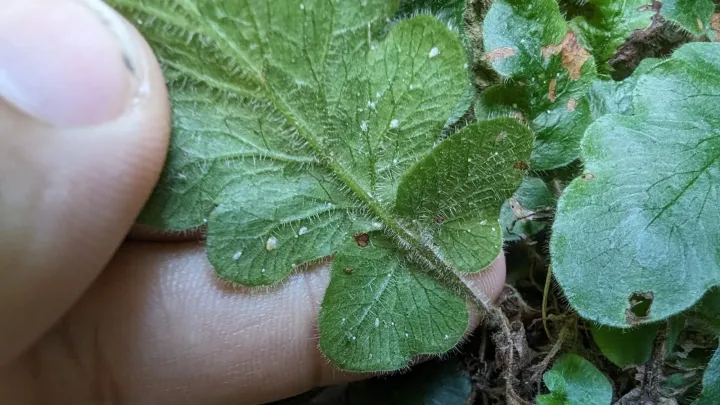
Description
Growing requirements
Tectaria zeilanica, commonly known as Ceylon Tectaria, is a species of fern belonging to the Tectariaceae family. It is native to the tropical regions of Asia, where it thrives in humid, shady understory habitats.
This species requires high humidity levels to maintain its lush foliage. In a cultivation environment, it is essential to mist the leaves regularly or use a humidifier to mimic its natural tropical rainforest climate.
The ideal soil substrate for Tectaria zeilanica should be rich in organic matter and possess excellent drainage properties. A mix of peat, sphagnum moss, and perlite provides the necessary structure for healthy root development.
Regarding light, this plant prefers filtered or indirect sunlight. Direct sun exposure is highly discouraged as it causes leaf scorch and dehydration, leading to the rapid loss of the plant's decorative value.
Temperature management is critical for this species. It performs best in consistent temperatures ranging from 20°C to 26°C. Exposure to sudden cold drafts or temperatures below 15°C should be strictly avoided to prevent damage.
Main diseases and pests
The primary threat to Tectaria zeilanica is waterlogging, which often leads to root rot. Ensuring that the pot has drainage holes and avoiding overwatering are the most effective preventive measures.
Spider mites are common pests that thrive in the same environments where the fern is kept, especially if the air is occasionally allowed to become too dry. Regular inspection of the underside of the fronds is recommended.
Fungal leaf spot diseases may appear if the foliage stays wet for prolonged periods without adequate air circulation. Improving airflow around the plant helps in keeping the leaves dry and disease-free.
Mealybugs are another potential nuisance, usually appearing in the crevices of the fronds. These should be treated with insecticidal soaps or neem oil as soon as they are spotted to prevent infestation.
Nutrient deficiency, often indicated by overall yellowing of the fronds, can be mitigated by applying a balanced, diluted liquid fertilizer during the active growing season in spring and summer.