
Tectaria angulata
Tectaria angulata
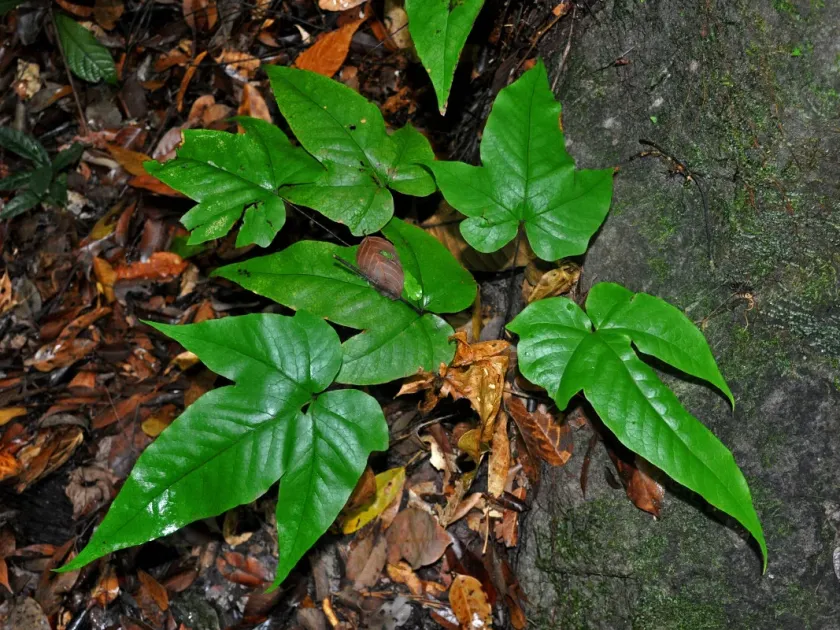
Description
Growing requirements
Tectaria angulata is a member of the Thelypteridaceae family, native to the tropical regions of Southeast Asia. This fern species typically grows in humid, shaded forest environments, often colonizing damp rocky substrates near stream banks.
The plant exhibits unique botanical features, characterized by its distinctively lobed or angular fronds, which are adapted to capture low light levels efficiently within the understory of dense forests.
Cultivation requirements necessitate a high-humidity environment, ideally maintained between 70% and 80%, to prevent the frond tips from drying out or browning. A terrarium or a high-humidity greenhouse is often the most suitable setting for this delicate plant.
The substrate must be well-draining yet capable of retaining sufficient moisture. A professional mix incorporating peat moss, perlite, and pine bark creates the necessary acidic and aerated environment for the rhizomes to thrive.
Temperature management is crucial; the plant performs best when kept within a consistent range of 22°C to 26°C. Exposure to sudden temperature drops or cold drafts can lead to significant physiological stress and leaf drop.
Main diseases and pests
Scale insects are a primary pest concern for this species, as they can quickly establish themselves along the rachis and the underside of the fronds, causing stunted growth.
Root rot is the most lethal condition for Tectaria angulata, usually caused by overwatering or using a heavy, non-porous soil medium that limits oxygen availability to the roots.
Fungal leaf spots can occur when the foliage remains wet for extended periods in environments with poor air circulation, necessitating better ventilation protocols.
Spider mites may occasionally infest the plant, particularly during dry seasons, appearing as fine webbing between the leaflets and causing chlorosis.
Effective management includes maintaining optimal environmental conditions and using specialized systemic insecticides if an infestation is detected, ensuring all parts of the fern are thoroughly treated.