
Tectaria incisa
Tectaria incisa
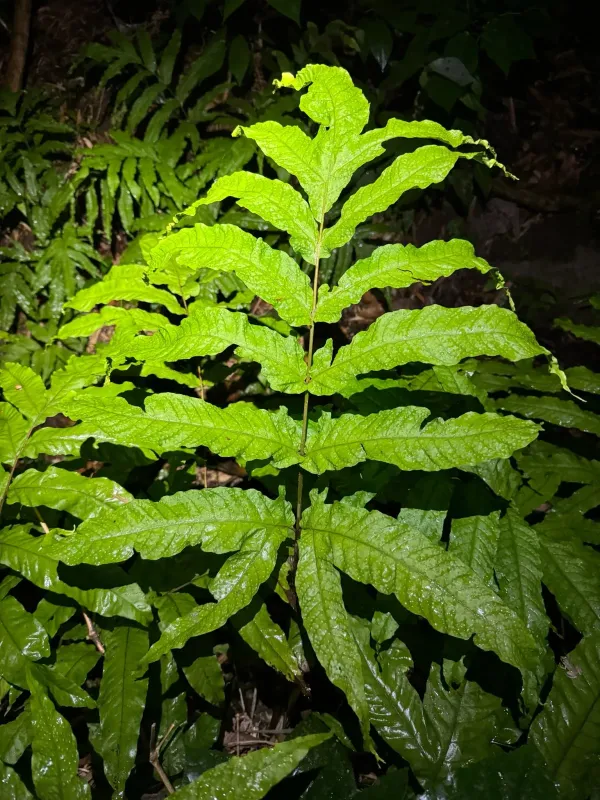
Description
Growing requirements
Tectaria incisa is a distinct species of tropical fern belonging to the Tectariaceae family. Native to the humid rainforests of the Americas, this species is highly valued for its large, attractive, and often deeply lobed fronds.
The plant exhibits a creeping rhizome structure, which allows it to spread effectively across the forest floor in its natural habitat, requiring ample space for root development when cultivated.
Cultivation success depends on maintaining high humidity levels, often exceeding 70 percent, alongside warm temperatures that mimic its equatorial native range throughout the year.
Soil requirements are strict regarding drainage and organic content; a loose, well-aerated medium rich in compost or leaf mold is essential to prevent the roots from suffocating in compacted dirt.
While primarily an ornamental plant, Tectaria incisa serves as a vital component in shaded tropical landscape designs, adding texture and a lush aesthetic to protected garden areas or indoor glasshouses.
Main diseases and pests
Pathogenic threats are primarily linked to poor airflow and excessive moisture around the base of the plant, which often triggers severe fungal infections in the rhizomes.
Common horticultural pests, particularly spider mites and scale insects, frequently target the underside of the fronds, especially in environments where humidity levels are inadequately maintained.
Root rot remains the most lethal threat for Tectaria incisa, typically caused by waterlogged substrates that deprive the root system of necessary oxygen for healthy growth.
Leaf spot diseases, caused by various fungal pathogens, can degrade the ornamental value of the fronds if environmental hygiene is not managed through proper ventilation.
Regular maintenance practices, including the removal of dead foliage and periodic monitoring for insect infestation, are necessary to sustain the plant's long-term health and vigor.