
Tectaria impressa
Tectaria impressa
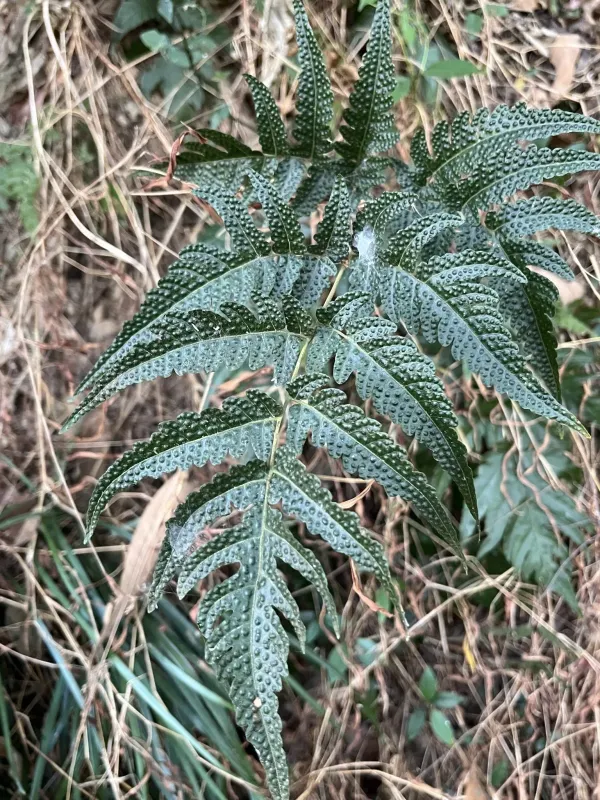
Description
Growing requirements
Tectaria impressa is a perennial tropical fern belonging to the Tectariaceae family. Native to dense forest environments, this species thrives in humid conditions and requires specific ecological niches to reach its full decorative potential.
The substrate for this fern must be well-draining, loose, and rich in organic matter. A mixture of peat moss, bark, and perlite is ideal for mimicking the natural forest floor and ensuring adequate aeration for the root system.
Environmental requirements include a stable temperature range between 18 and 26 degrees Celsius. Exposure to cold drafts or rapid temperature shifts can lead to chlorosis and the shedding of fronds, so placement in a stable environment is crucial.
Watering should be performed carefully, maintaining consistent moisture levels in the root zone without creating waterlogged conditions. The use of soft, room-temperature water is recommended to avoid chemical buildup in the substrate.
This species is valued in horticultural settings for its unique texture and foliage patterns, making it a popular choice for conservatory displays and shaded interior landscapes. It serves primarily as a decorative plant in global plant trade.
Main diseases and pests
Scale insects are a common pest that can severely weaken Tectaria impressa. These insects attach to the underside of the fronds and stems, requiring systematic insecticidal treatments or manual removal to effectively manage the infestation.
Spider mites represent a major threat during low-humidity periods, especially in heated indoor environments. Keeping the ambient humidity high and performing regular inspections helps in early detection and control.
Root rot caused by overwatering is a critical threat that leads to rapid plant death. Ensuring that the pots have proper drainage holes and using a light soil mix is essential for preventing anaerobic conditions at the root level.
Fungal spot diseases can appear if there is poor airflow around the foliage. Improving circulation and ensuring that leaves are not crowded help to maintain the health of the plant and prevent the spread of pathogens.
Maintaining proper hygiene by removing dead or dying fronds helps prevent the accumulation of fungi and pests, ensuring the long-term health and vitality of the Tectaria impressa specimen.