
Tectaria aurita
Tectaria aurita
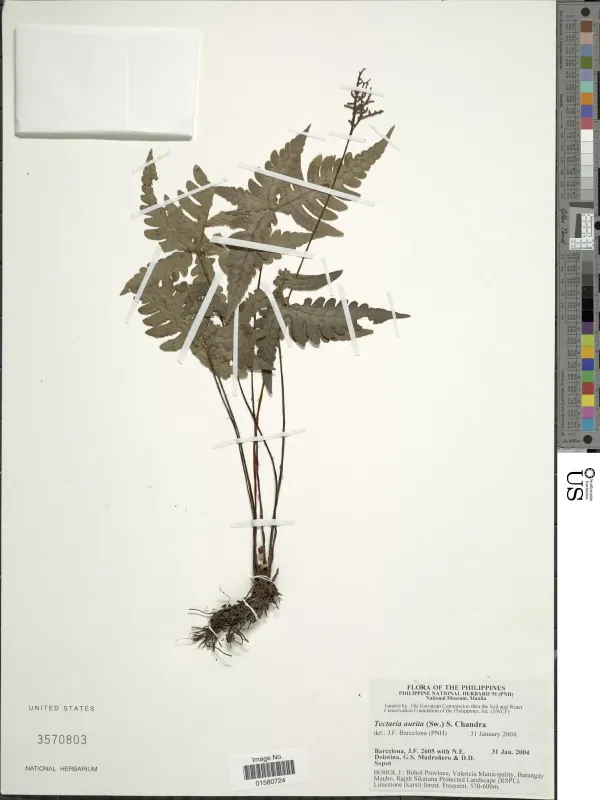
Description
Growing requirements
Tectaria aurita is a specialized fern species belonging to the Tectariaceae family, native to the tropical forests of Southeast Asia. This species is highly valued in botanical collections for its unique leaf morphology, characterized by distinct ear-like lobes at the base of its pinnae.
As a forest-dwelling plant, it thrives in environments that mimic the humid, shaded conditions of its natural habitat. Botanically, it features a rhizomatous growth habit, with fronds emerging from a central crown, requiring a loose and well-structured growing medium.
Climate requirements for this culture are stringent: it requires consistent warmth, ideally between 20°C and 26°C. It is intolerant of frost and extreme temperature fluctuations, which can lead to immediate wilting and tissue necrosis of the sensitive fronds.
The soil profile must be rich in organic matter, highly porous, and capable of maintaining consistent moisture without becoming waterlogged. A mixture of peat, perlite, and pine bark is recommended to provide the necessary aeration for the root system.
Proper cultivation involves keeping the humidity levels above 60% and providing indirect, diffused light. Excessive light intensity must be avoided, as the photosynthetic apparatus of Tectaria aurita is adapted to deep-shade conditions in the tropical canopy.
Main diseases and pests
Common pests affecting this fern include spider mites and scale insects, which are often encouraged by dry indoor air and poor ventilation around the plant's fronds.
Root pathogens, particularly fungal organisms that thrive in saturated soils, represent the most significant threat to the plant's longevity and health during the growth phase.
Management of these threats involves a proactive approach: regular cleaning of foliage, monitoring for pest early-warning signs, and ensuring strict adherence to moisture control protocols.
Fungal leaf spot diseases may occur if the ambient temperature is too low and the moisture remains on the foliage for extended periods, necessitating better air circulation.
Chemical control should be applied judiciously, utilizing mild horticultural oils or specialized fungicides only when mechanical removal or environmental adjustment fails to suppress the population of the pest or pathogen.