
Tectaria singaporiana
Tectaria singaporiana
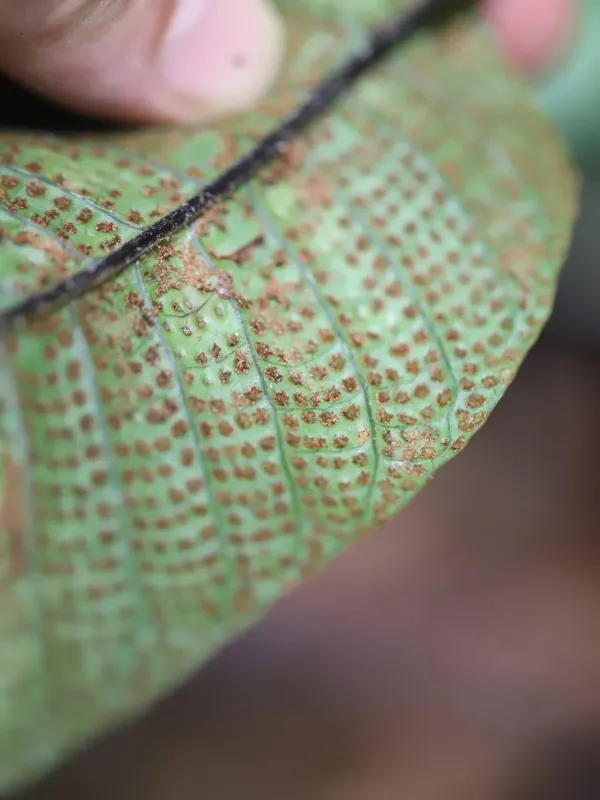
Description
Growing requirements
Tectaria singaporiana is a striking species within the Tectariaceae family. Native to the tropical forests of Southeast Asia, it is highly valued by botanists and collectors for its distinctive foliage and growth habit.
The plant thrives in environments that mimic its natural forest floor habitat. It requires consistently high humidity levels, ideally above 60 percent, and protection from direct sunlight, which can scorch its delicate fronds.
The growing medium must be highly porous and moisture-retentive. A mix consisting of orchid bark, peat moss, and perlite provides the aeration required by the rhizomes to remain healthy and pathogen-free.
Temperature management is crucial for the survival of this species. It performs best in temperatures ranging from 20 to 25 degrees Celsius and does not tolerate cold drafts or temperatures dropping below 15 degrees Celsius.
Regular maintenance involves wiping the fronds gently to remove dust and ensure efficient gas exchange. Watering should be performed with filtered water, as these ferns are often sensitive to the high mineral content found in standard tap water.
Main diseases and pests
The primary pests affecting Tectaria singaporiana are mealybugs and aphids, which often hide in the dense crown of the plant. Over-watering creates an anaerobic environment in the soil, which commonly leads to root rot or fungal crown infections.