
Tricholepidium
Tricholepidium
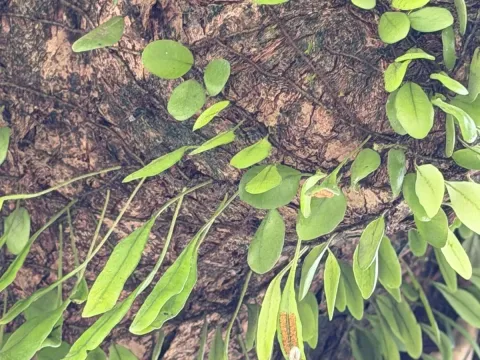
Tricholepidium is a genus of ferns belonging to the Polypodiaceae family. These plants are primarily characterized by their specialized frond structures and rhizomatous growth habits, which allow them to thrive in shaded and humid ecological niches typical of rainforest understories.
What the section contains

Tricholepidium
The successful cultivation of this fern requires precise environmental control. A temperature range of 18 to 25 degrees Celsius is considered optimal, ensuring that metabolic processes continue at a steady pace without stressing the delicate fern tissues.
Soil requirements focus on high organic matter content and excellent aeration. A substrate consisting of peat, pine bark, and perlite provides the necessary structure and acidity, typically targeting a pH level between 5.5 and 6.5 to support healthy root development.
Water management is critical, as Tricholepidium requires consistent humidity levels of 70% or higher. Irrigation should be performed using soft, room-temperature water to prevent mineral buildup in the substrate, which could otherwise inhibit nutrient uptake.
Light exposure must be filtered to prevent phototoxicity. Direct sunlight causes severe damage to the foliage, so maintaining a position in dappled shade or using artificial lighting with balanced spectral output is necessary for long-term survival.
Spider mites are the most common pests affecting Tricholepidium, especially in environments with insufficient atmospheric humidity. Regular misting and the use of insecticidal soaps or specific acaricides help keep mite populations under control.
Scale insects can attach themselves to the stems and fronds, extracting plant sap and weakening the fern. Manual removal followed by an application of systemic insecticides is often required to resolve severe infestations without damaging the plant.
Root rot is the most frequent pathological threat, usually caused by overwatering and poor drainage. Ensuring the substrate is free-draining and avoiding water stagnation is the most effective preventative measure against fungal pathogens.
Powdery mildew may appear on the fronds if air circulation is inadequate. Improving ventilation around the plants and avoiding overhead irrigation can significantly reduce the incidence of this fungal disease in greenhouse or indoor settings.
Regular sanitation of the growing environment is essential. By removing dead or decaying plant material immediately, the risk of spreading opportunistic pathogens and attracting harmful insects is greatly minimized throughout the growing cycle.