
Rhynchoglossum
Rhynchoglossum
Rhynchoglossum is a genus of herbaceous plants belonging to the Gesneriaceae family. These plants are primarily native to tropical regions across Asia and parts of Africa, where they inhabit humid, shaded environments.
What the section contains


Rhynchoglossum
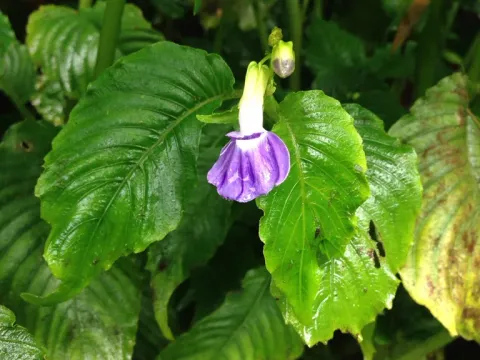
The botanical structure of the plant features succulent, often brittle stems and leaves that are typically arranged in an alternate pattern. Its floral display consists of racemes with zygomorphic flowers that are noted for their deep blue or violet hues.
Successful cultivation requires a climate that mimics tropical conditions, specifically high humidity levels and warm temperatures. These plants are frost-tender and thrive best in environments where temperatures do not drop below 15-18 degrees Celsius.
The growing medium must be highly porous and rich in organic matter. Proper aeration is crucial, as the roots are prone to suffocation if the soil remains waterlogged for extended periods of time without adequate drainage.
In terms of agricultural and horticultural use, Rhynchoglossum is utilized as an ornamental plant. It is widely regarded as a specialized crop for greenhouse production and botanical collections due to its specific environmental requirements.
The primary threats to Rhynchoglossum include root pathogens that proliferate in dense, over-watered potting mixes.
Common greenhouse pests such as spider mites and whiteflies frequently infest these plants, especially in environments with poor air circulation.
To mitigate disease, it is essential to maintain a consistent irrigation schedule that allows the surface of the soil to dry slightly between watering cycles.
Integrated pest management strategies are recommended, focusing on early detection and maintaining optimal humidity levels to deter common arthropod pests.
Fungal diseases like botrytis can occur if condensation accumulates on leaves, requiring strict attention to greenhouse ventilation protocols.