
Rhynchoglossum obliquum
Rhynchoglossum obliquum
Description
Growing requirements
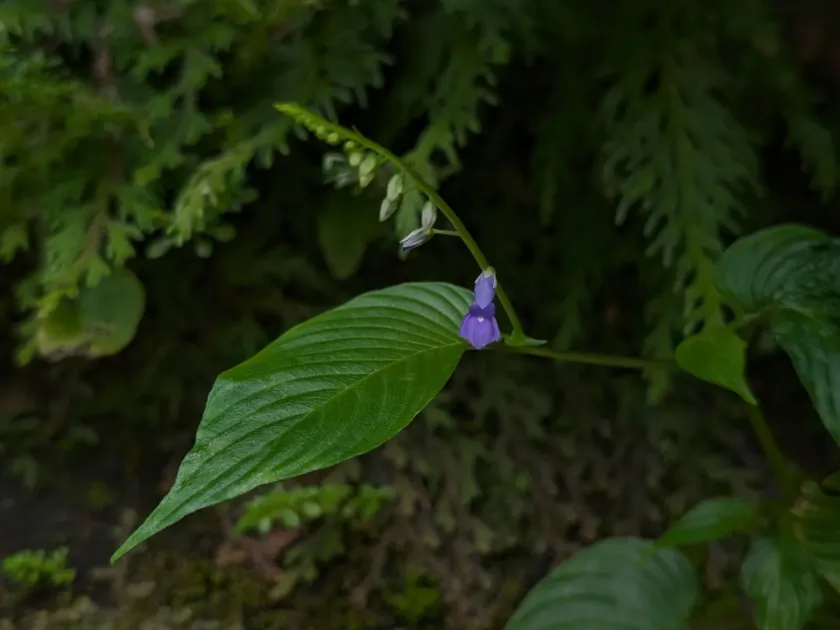
Rhynchoglossum obliquum is a herbaceous plant belonging to the Gesneriaceae family. Originating from the tropical regions of Asia, this species is typically found in the dense, shaded environments of moist forests, where it thrives in the protection of the forest canopy.
The climate requirements for this plant are quite specific: it demands high humidity and constant warm temperatures to flourish. Unlike many other indoor crops, it does not tolerate significant fluctuations in environmental conditions, necessitating a stable climate typical of a greenhouse or a terrarium environment.
Soil quality is paramount for the health of Rhynchoglossum. It requires a well-draining, nutrient-rich, and slightly acidic substrate. A mix consisting of high-quality sphagnum moss, perlite, and decomposed organic matter helps mimic its native habitat while ensuring that the roots receive sufficient aeration.
Agrotechnical maintenance focuses primarily on water management. The plant should be kept consistently moist but never waterlogged. Irrigation should be performed using demineralized or filtered water to prevent the accumulation of minerals in the soil, which can be detrimental to its sensitive root system.
The primary use of Rhynchoglossum obliquum is in the ornamental and botanical sector. It is considered a specialty plant for private collections and conservatory displays due to its unique, oblique leaf shape and vibrant tubular flowers. It is valued by horticulturalists for its rarity and beauty in controlled tropical setups.
Main diseases and pests
Common botanical threats include fungal infections such as Botrytis, which can rapidly spread in conditions of high humidity with poor ventilation. To prevent this, it is essential to ensure adequate airflow around the foliage and to avoid wetting the leaves during the evening hours.
Insects like aphids and thrips pose a significant challenge to the plant's vitality. Regular monitoring is necessary to detect early infestations. If pests are identified, the use of mild horticultural soaps or systemic insecticides is recommended to minimize damage while protecting the plant's delicate leaf tissues.