
Ramonda
Ramonda
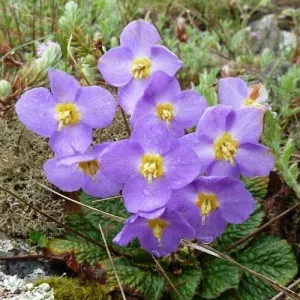
Description
Growing requirements
Ramonda is a genus of perennial herbaceous plants belonging to the Gesneriaceae family. Originating from the mountain ranges of Europe, such as the Pyrenees and the Balkans, these plants are well-known for their unique adaptation to growing in rock crevices.
One of the most fascinating biological traits of Ramonda is its ability to survive long periods of drought. The leaves can curl up and appear completely dry, but the plant quickly revives and regains its green color once moisture becomes available.
For successful cultivation, Ramonda requires a partially shaded location. Intense direct sunlight should be avoided to prevent leaf scorching, making it an excellent choice for north-facing rock garden pockets.
The growing medium must be porous, humus-rich, and neutral to slightly alkaline. Excellent drainage is critical, as any standing water near the crown of the plant will lead to rapid decay.
In terms of agricultural management, Ramonda is a slow-growing plant. It thrives on minimal disturbance and does not require frequent pruning or division, allowing it to establish itself over many years in a suitable habitat.
Main diseases and pests
The primary threat to the health of Ramonda is fungal infection caused by excessive moisture. Root rot is a common issue if the drainage system is insufficient or if the plant remains waterlogged during winter dormancy.
Slugs and snails are the most significant pests for this culture, as they are attracted to the succulent, moisture-rich leaves of the rosettes. Protective barriers or regular manual checks are recommended during the active growing season.
Nematodes can infest the root system, leading to stunted growth and reduced vigor. Ensuring the soil medium is sterile and high-quality is the best way to prevent such infestations.
Winter dampness is a major challenge. If water collects inside the leaf rosettes during freezing temperatures, it can cause the center of the plant to rot; planting at an angle helps mitigate this risk.
While generally hardy, plants may suffer from leaf spot diseases in poorly ventilated areas. Keeping the surrounding space clean of debris and ensuring good air circulation is essential for the longevity of the plant.