
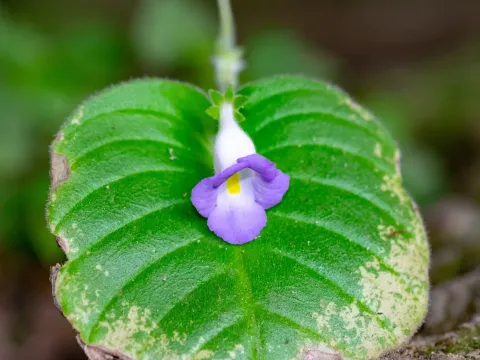
Microchirita
Microchirita
Propagation of Microchirita is most commonly carried out by sowing seeds into a loose substrate. The seeds of this crop are extremely fine, so they should be distributed over the surface of moist soil without covering them, or by pressing them very lightly into the ground.
What the section contains

Microchirita
The optimal time for sowing is during the spring season when daylight hours begin to increase, which has a positive effect on germination rates.
To create a greenhouse effect, the container with the seeds should be covered with glass or transparent plastic until the first sprouts appear, ensuring stable humidity levels.
After germination, the seedlings should be gradually acclimated to ambient air, which is a critical stage for hardening off young specimens.
Seedlings are typically transplanted once the first pair of true leaves appears, using a substrate with a high proportion of perlite or vermiculite.
Microchirita belongs to the Gesneriaceae family and prefers conditions close to tropical environments, featuring soft, diffused light without direct sunlight.
The plant is demanding regarding temperature regulation: the optimal range is 20–25 degrees Celsius, while sudden temperature fluctuations are extremely undesirable.
The soil for cultivation must be light, breathable, and slightly acidic, consisting of peat-based substrate mixed with perlite or vermiculite.
Watering of the crop should be moderate but consistent; it is crucial to avoid standing water in the drainage tray, as the root system is sensitive to rot.
During the active vegetative growth phase, Microchirita responds well to the application of balanced complex mineral fertilizers designed for decorative flowering plants.
The primary threats to the crop include fungal diseases caused by excessive moisture and poor air circulation in the growing area.
Grey mold and powdery mildew can rapidly infect the aerial parts of the plant if ventilation is poor or if watering is excessive.
Common pests found on Microchirita include spider mites and mealybugs, which damage the leaves and the plant's growing points.
Prevention involves regular inspection of plants, maintaining optimal humidity, and the use of fungicides at the first sign of an infection.
It is also essential to timely remove dead leaves, as they can become a focal point for the reproduction of pathogens in dense plant groupings.