
Microchirita rupestris
Microchirita rupestris
Description
Growing requirements
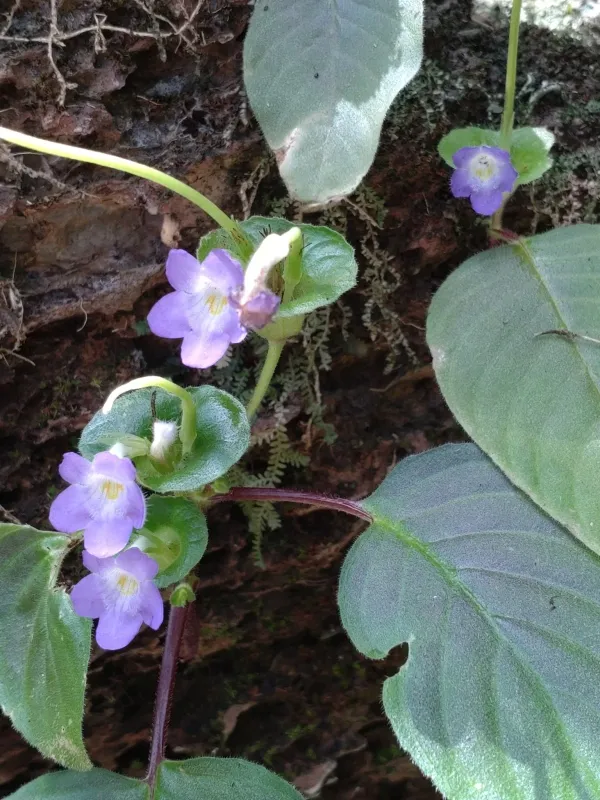
Microchirita rupestris is a distinctive plant species belonging to the Gesneriaceae family. Originating from the limestone cliff habitats of Southeast Asia, this plant has evolved unique physiological adaptations that allow it to thrive in specialized, mineral-rich environments.
The plant is characterized by its succulent-like leaves which are covered in fine, velvety hairs. These structures help the plant manage water storage and transpiration, making it a fascinating subject for both botanical research and specialized ornamental horticulture.
Regarding light requirements, this species prefers bright, filtered light. Exposure to intense, direct midday sun will cause severe leaf scorch, whereas insufficient lighting results in etiolation, where the plant grows weak and leggy stems.
The ideal potting medium should mimic its natural rocky environment. It must be highly porous and well-draining, typically consisting of a mixture of peat moss, perlite, and crushed limestone or coarse inorganic substrate to prevent compaction.
Temperature stability is crucial for healthy development. The plant prefers consistent ambient temperatures between 20°C and 25°C. Any exposure to temperatures below 15°C or erratic thermal fluctuations can significantly stress the plant and inhibit its growth.
Main diseases and pests
The most significant threat to Microchirita rupestris is root rot caused by stagnant water or overly dense substrate. Growers must ensure the pots have adequate drainage holes and that the medium is allowed to dry out appropriately between watering sessions.
Pest infestations such as spider mites and mealybugs are the primary biological threats. These pests thrive in dry environments and can quickly colonize the velvety surface of the leaves, weakening the plant by extracting essential sap.
Fungal pathogens often emerge as a secondary issue if the air circulation around the plant is insufficient. Maintaining a gentle airflow prevents the buildup of humidity around the leaf axils, which is a common site for fungal growth.
Integrated pest management, including regular inspection and the use of insecticidal soaps or systemic treatments, is recommended for long-term health. Avoid harsh chemical applications, as the delicate leaf tissues may react adversely to strong concentrates.
Maintaining sanitary conditions, such as removing senescent or damaged leaves promptly, is a vital agricultural practice. This prevents the establishment of harmful pathogens and ensures that energy is directed towards new healthy vegetative growth.