
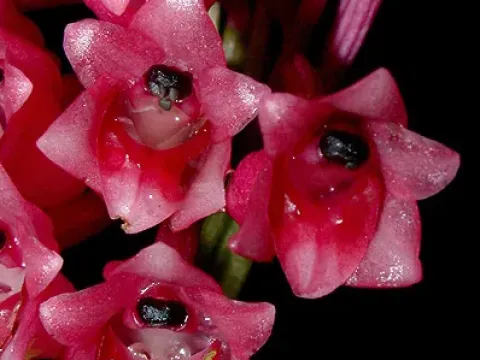
Epiblastus
Epiblastus
Epiblastus is a genus of epiphytic orchids belonging to the Orchidaceae family. In horticultural practice, these plants are considered sensitive species that require specific conditions mimicking the high-altitude tropical forests of Southeast Asia and Oceania, where they naturally occur on tree trunks.
What the section contains


Epiblastus
Botanically, Epiblastus species are characterized by a sympodial growth habit and the formation of pseudobulbs, which serve as water-storage organs. Their leaves are typically leathery and linear, an adaptation that allows them to survive the fluctuating moisture levels characteristic of mountain fog forests.
Environmental requirements for Epiblastus include bright, filtered light and high relative humidity levels, ideally between 70% and 80%. They perform best when mounted on bark slabs or grown in very loose, well-draining media such as fir bark, charcoal, and sphagnum moss to ensure optimal aeration for their roots.
Temperature management is critical for the health of these orchids. They generally prefer cool to intermediate temperature ranges. Avoiding extreme fluctuations is essential, as the plants are sensitive to sudden cold drafts or scorching heat, both of which can disrupt their physiological cycles and inhibit blooming.
Watering should be managed with precision to prevent root suffocation. It is best to allow the roots to dry slightly between watering sessions. Proper ventilation is the key factor that bridges the gap between successful hydration and the prevention of moisture-related physiological disorders in the plant.
The primary threats to Epiblastus are various forms of rot, including bacterial soft rot and fungal pathogens caused by overwatering or stagnant air. These conditions weaken the plant’s structure, often leading to rapid tissue death if not addressed with immediate improvements in the cultural environment.
Pest pressures primarily come from spider mites, aphids, and scale insects. These pests feed on the nutrient-rich sap of the orchid, causing chlorosis, stunted leaf growth, and general physiological stress. If left unmanaged, these colonies can quickly overwhelm a weakened specimen.
Disease management requires rigorous hygiene. Tools used for pruning must be sterilized with alcohol or flame after every use to prevent the transmission of viruses between specimens. Additionally, removing necrotic tissue promptly helps prevent the spread of opportunistic fungal pathogens within the orchid collection.
Effective pest control strategies include both biological and chemical interventions. Regular inspection of the undersides of leaves and pseudobulb bases is recommended to detect pests in the early stages of infestation, making them easier to control with mild insecticidal soaps or horticultural oils.
Maintaining the overall vitality of the plant through proper nutrition is a frontline defense against threats. Using a weak, balanced fertilizer specifically formulated for orchids ensures that the plant has the structural integrity to resist environmental stresses and ward off minor opportunistic infections.