
Epiblastus basalis
Epiblastus basalis
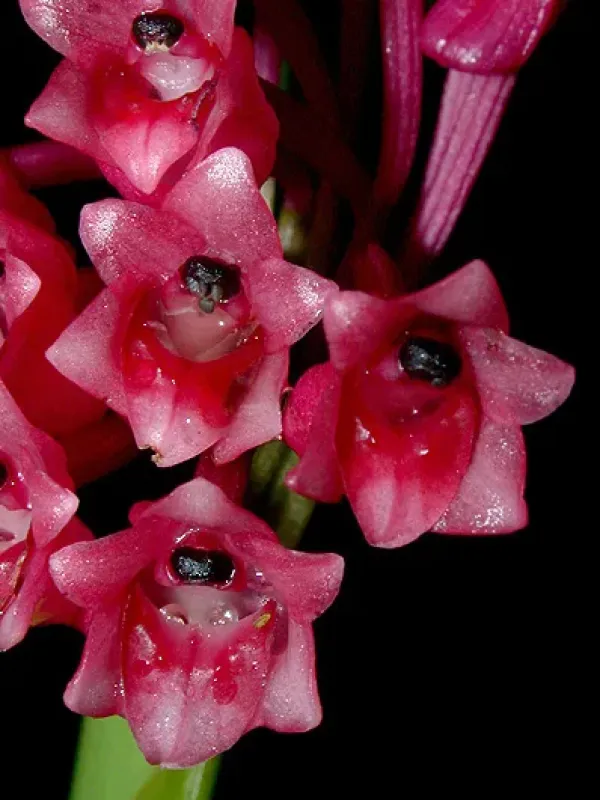
Description
Growing requirements
Epiblastus basalis is a distinct botanical species belonging to the Orchidaceae family. It thrives primarily as an epiphyte, utilizing the trunks and branches of tall trees within its native tropical rainforest habitats to secure a favorable position for light and moisture access.
The geographic origin of this plant is centered in the tropical regions of Southeast Asia, particularly across the Indonesian archipelago and Papua New Guinea. These regions provide the stable, humid, and temperate climate conditions essential for the survival of the species.
From a botanical standpoint, the plant displays a sympodial growth habit. Its morphology includes specialized, leathery leaves and a robust root system adapted to adhere to tree bark while gathering nutrients from dust, decaying organic matter, and airborne moisture.
The roots are covered in velamen, a specialized tissue that functions as an external sponge, allowing the plant to absorb atmospheric humidity rapidly. This adaptation is critical for surviving in forest canopies where direct rainfall may be intermittent.
Cultivation requirements for this species are demanding, requiring specialized greenhouse conditions to mimic its natural montane forest environment. Key factors include maintaining high relative humidity, ensuring consistent airflow around the roots to prevent rot, and providing bright, filtered light.