
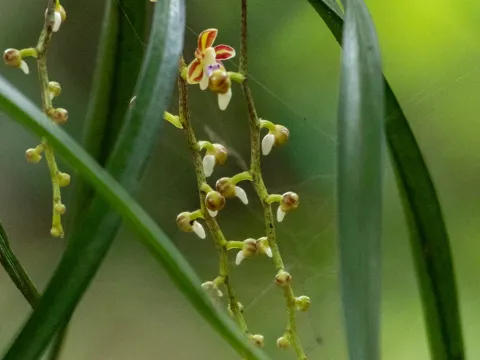
Cleisostoma
Cleisostoma
Cleisostoma is a genus of epiphytic orchids belonging to the Orchidaceae family. These plants are native to the tropical regions of Southeast Asia, where they naturally thrive in humid forest environments, growing on tree trunks and branches.
What the section contains


Cleisostoma
The primary growth requirement for Cleisostoma is high relative humidity, ideally maintained between 70% and 80%. In cultivation, this is often achieved through misting, the use of humidifiers, or placing the pots on moisture-retentive trays.
Temperature management is vital, with a preferred range of 20°C to 28°C. Being tropical orchids, they do not tolerate freezing temperatures, and extended periods in cold conditions can lead to irreversible damage to their tissues.
Lighting should be bright but filtered. Intense, direct sunlight can easily scorch the leaves of the plant, so eastern or southern exposure with light curtains or shade cloth is often recommended for optimal photosynthesis.
The root system requires an airy and well-draining medium, such as coarse bark, charcoal, and perlite. Proper aeration is essential, as the roots of Cleisostoma are adapted to receive oxygen directly from the surrounding air.
Pests such as mealybugs, scale insects, and spider mites are the most common threats to Cleisostoma. These insects extract sap from the leaves and stems, often leaving behind sticky residues that can promote the growth of sooty mold.
Root rot, caused by overwatering and poor drainage, is a significant danger. When roots remain waterlogged for too long, they lose the ability to absorb nutrients, leading to yellowing leaves and eventually the death of the plant.
Chemical control involving insecticidal soaps or systemic pesticides is effective against most common pests. It is important to treat the plants carefully and avoid over-concentration, which could damage the sensitive foliage.
Fungal infections, including leaf spot and crown rot, can occur if water remains trapped in the center of the plant. Ensuring adequate air circulation after watering is a simple yet effective preventative measure.
Integrated pest management strategies involve regular monitoring and maintaining overall plant health through balanced fertilization and proper environmental hygiene, significantly reducing the reliance on chemical inputs.